 How-to
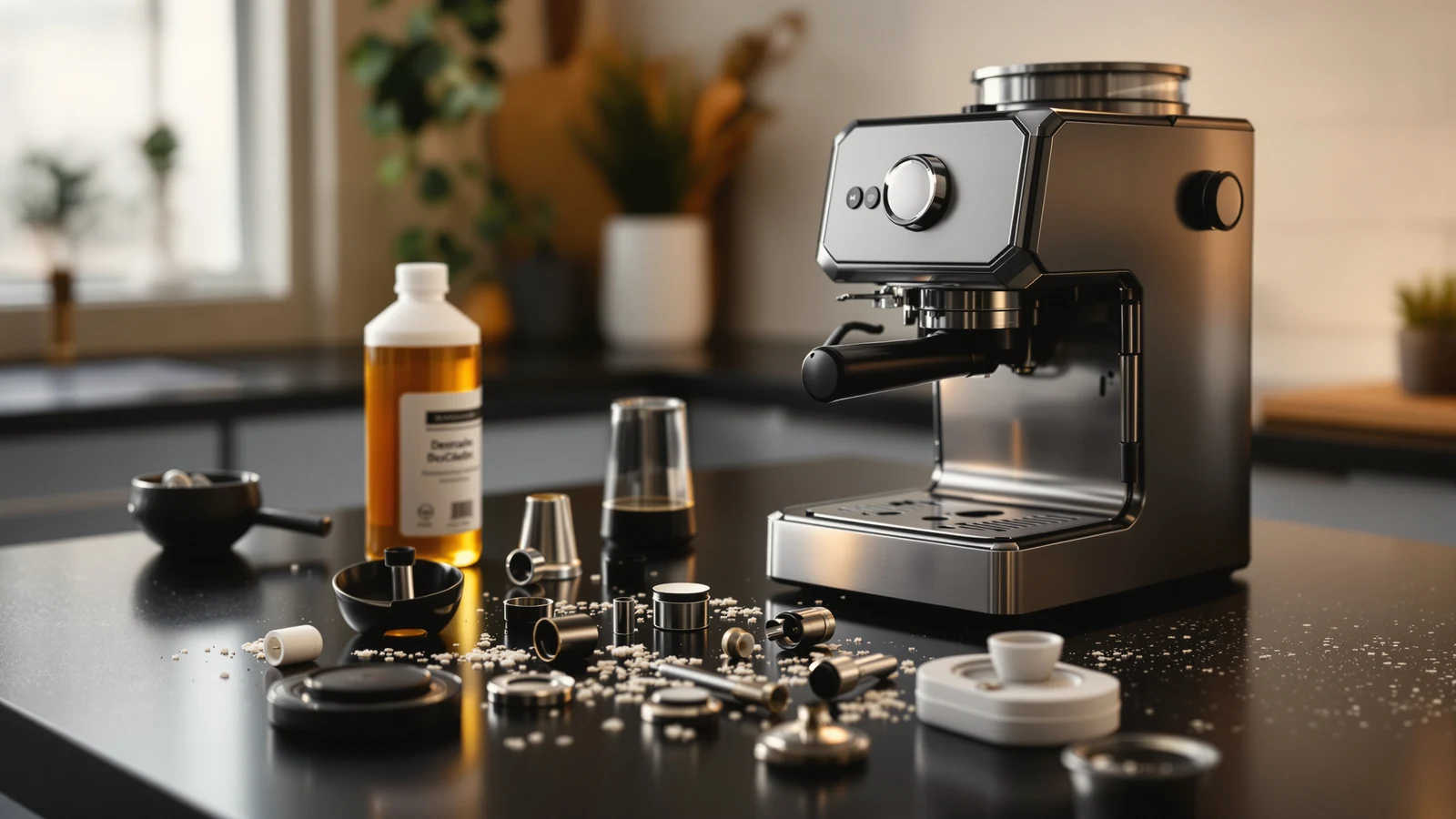
Self-Clean and Auto-Descale Cycles: What They Actually Automate
A self-clean brew cycle, one-touch descaling, and a dishwasher-safe milk system are three different promises. None of them means you can skip maintenance entirely.
 Honest take
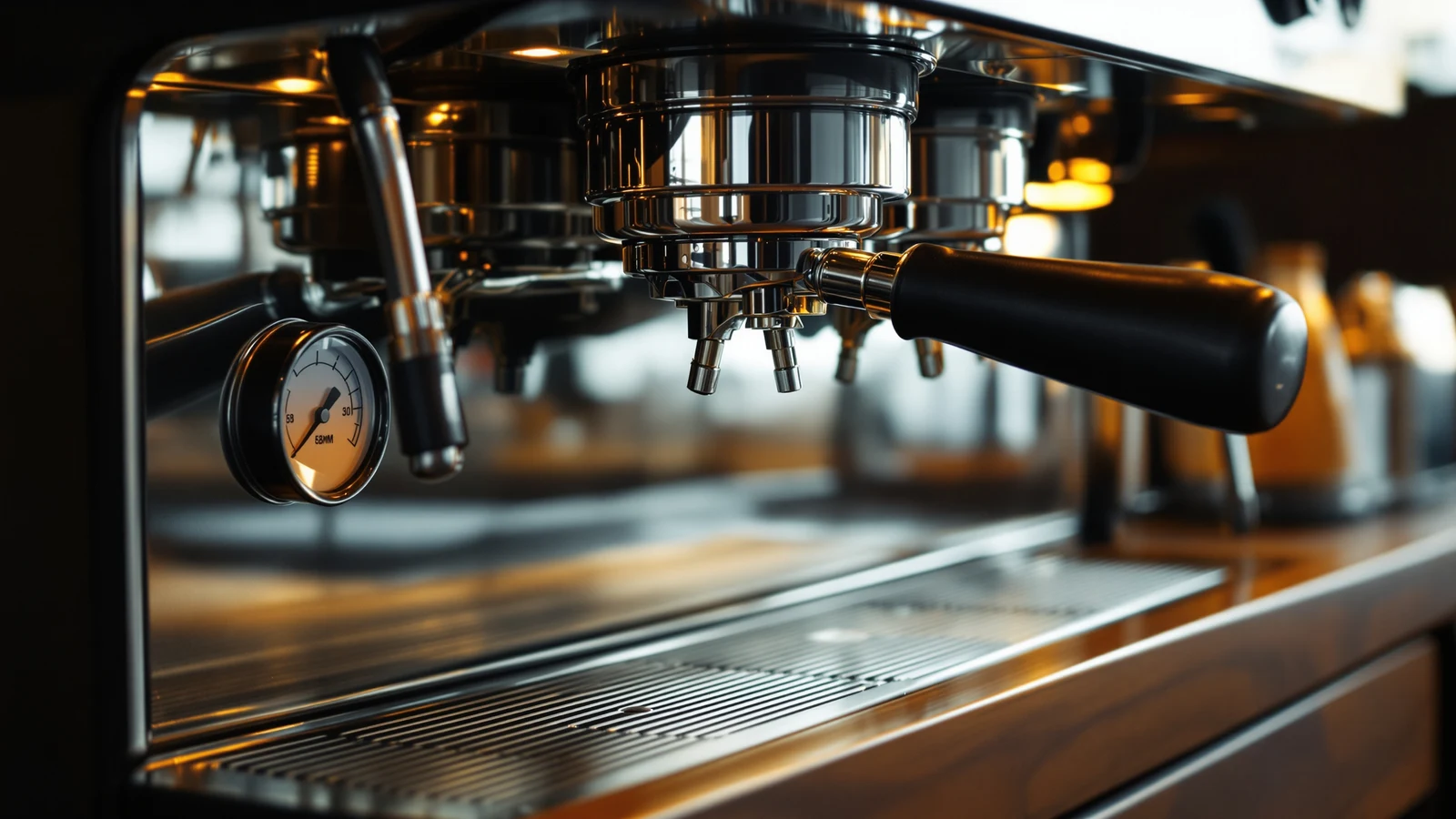
Semi-Commercial 58mm Espresso Machines for Home: Is the Extra Power Worth It?
A handful of home machines now borrow the 58mm portafilter and dual-boiler layout cafes use. What that buys a home kitchen, and what it costs.
 Guide
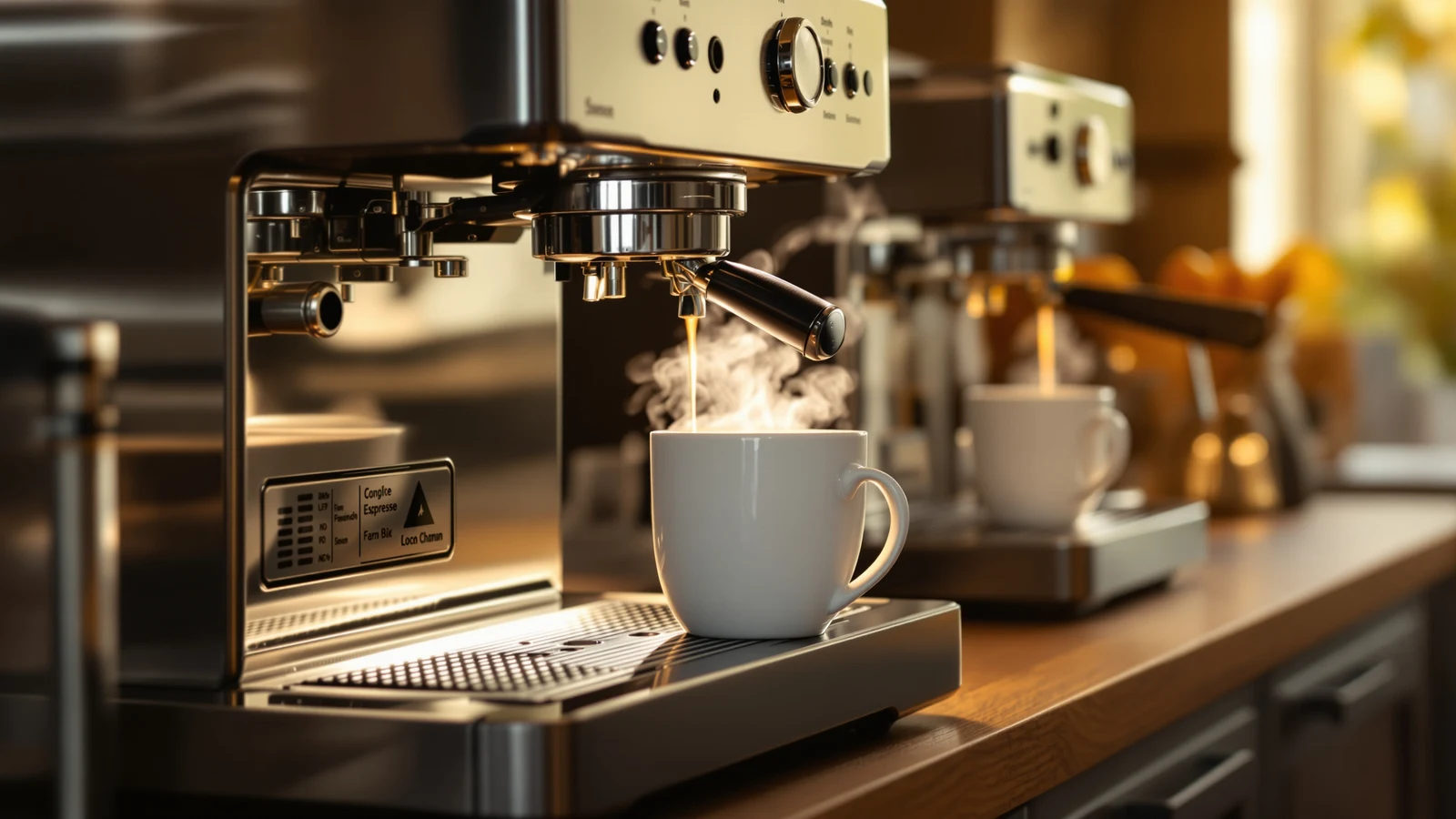
GuideEspresso Machines With a Built-In Hot Water Spout: Americanos Without a Kettle
A separate hot water outlet, a menu preset, or a dual-function steam wand — three different ways a machine skips the kettle for tea and Americanos.
 Guide
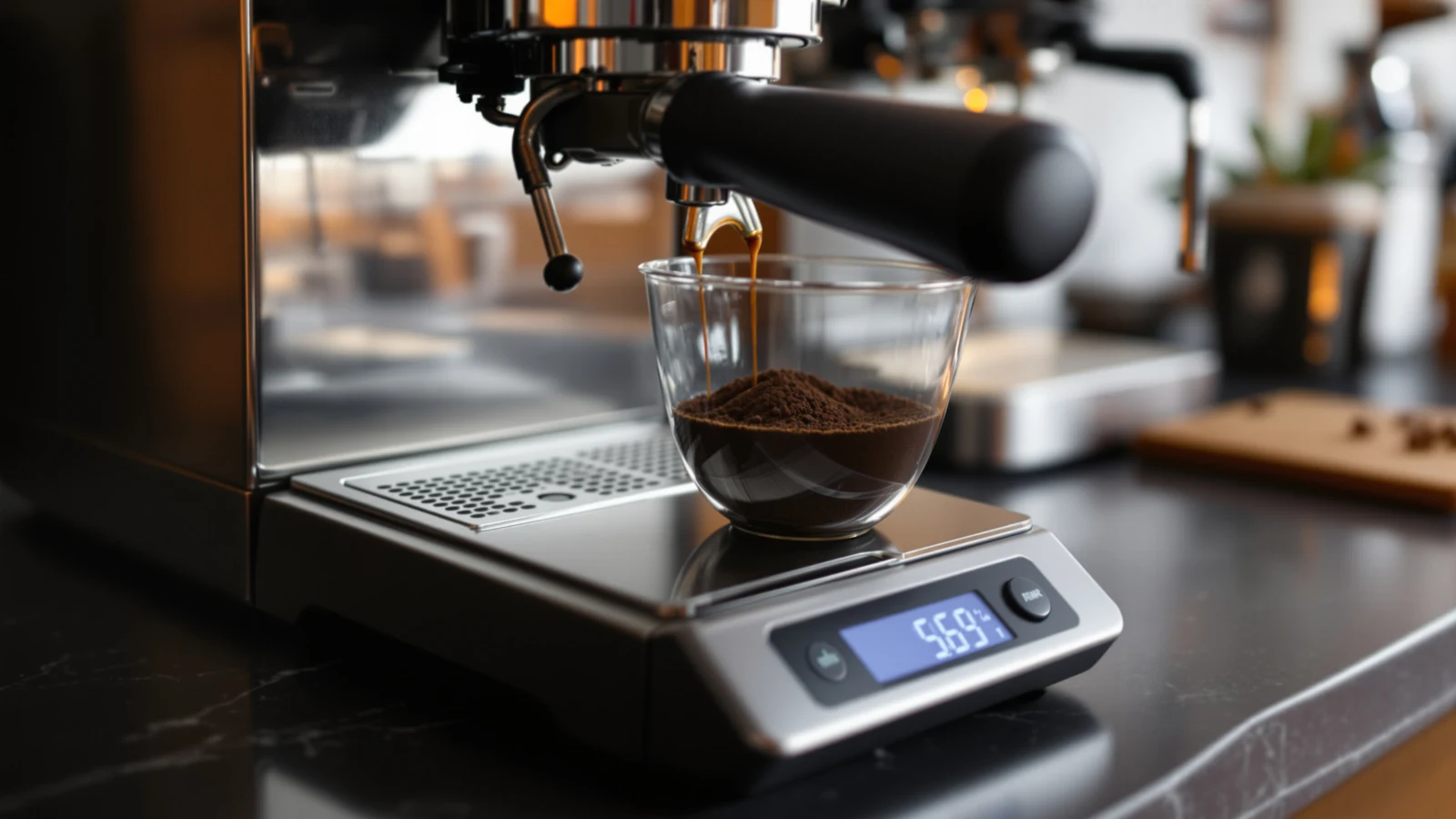
GuideWeight-Based Dosing vs a Timer: How the Best Machines Measure a Shot
Two machines in this catalogue weigh the coffee to a stated 0.2g. Most others just guess by the clock. Here's what the difference actually changes in the cup.
 Roundup
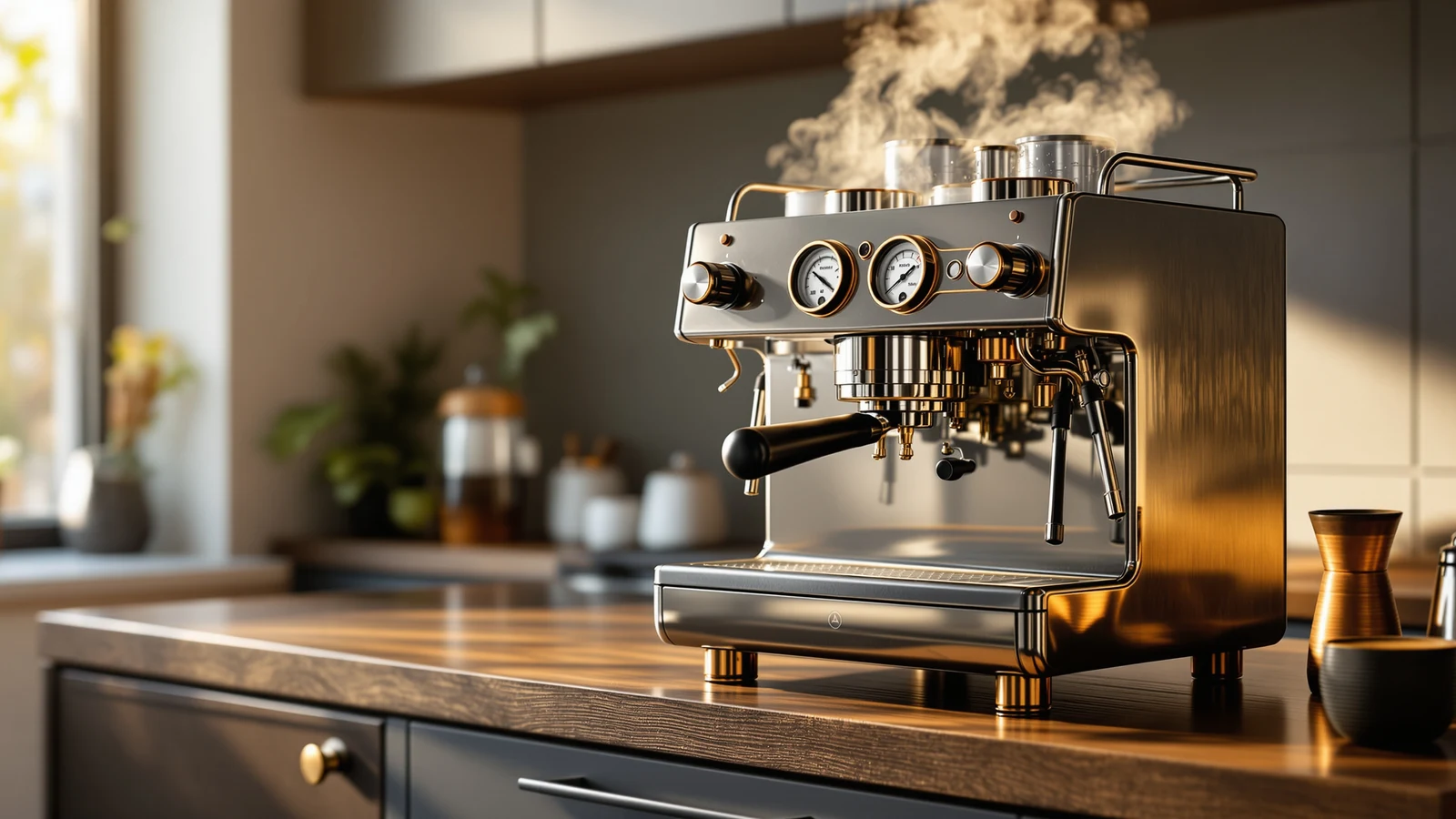
The Best Espresso Machines at $1,000 and Up
Just below $1,000 to just under $2,000 — the tier where dual boilers, PID control and gram-accurate dosing stop being upgrades and start being the standard spec.
 Honest take
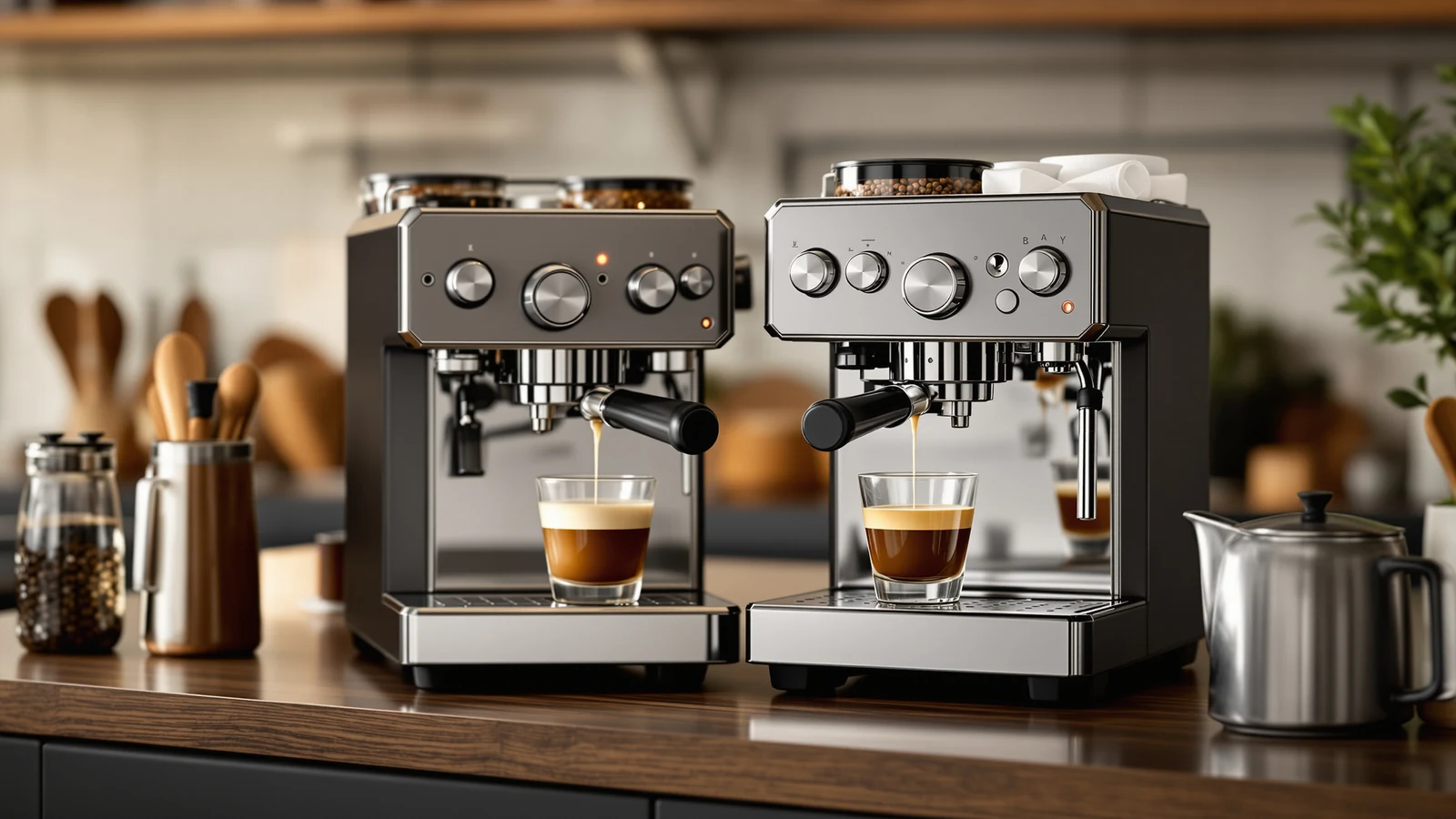
Double Boiler vs Single Boiler: Is Brewing and Steaming at Once Worth It?
Only one machine here truly brews and froths at the same time. What a second boiler buys you, and what it costs.
 Comparison
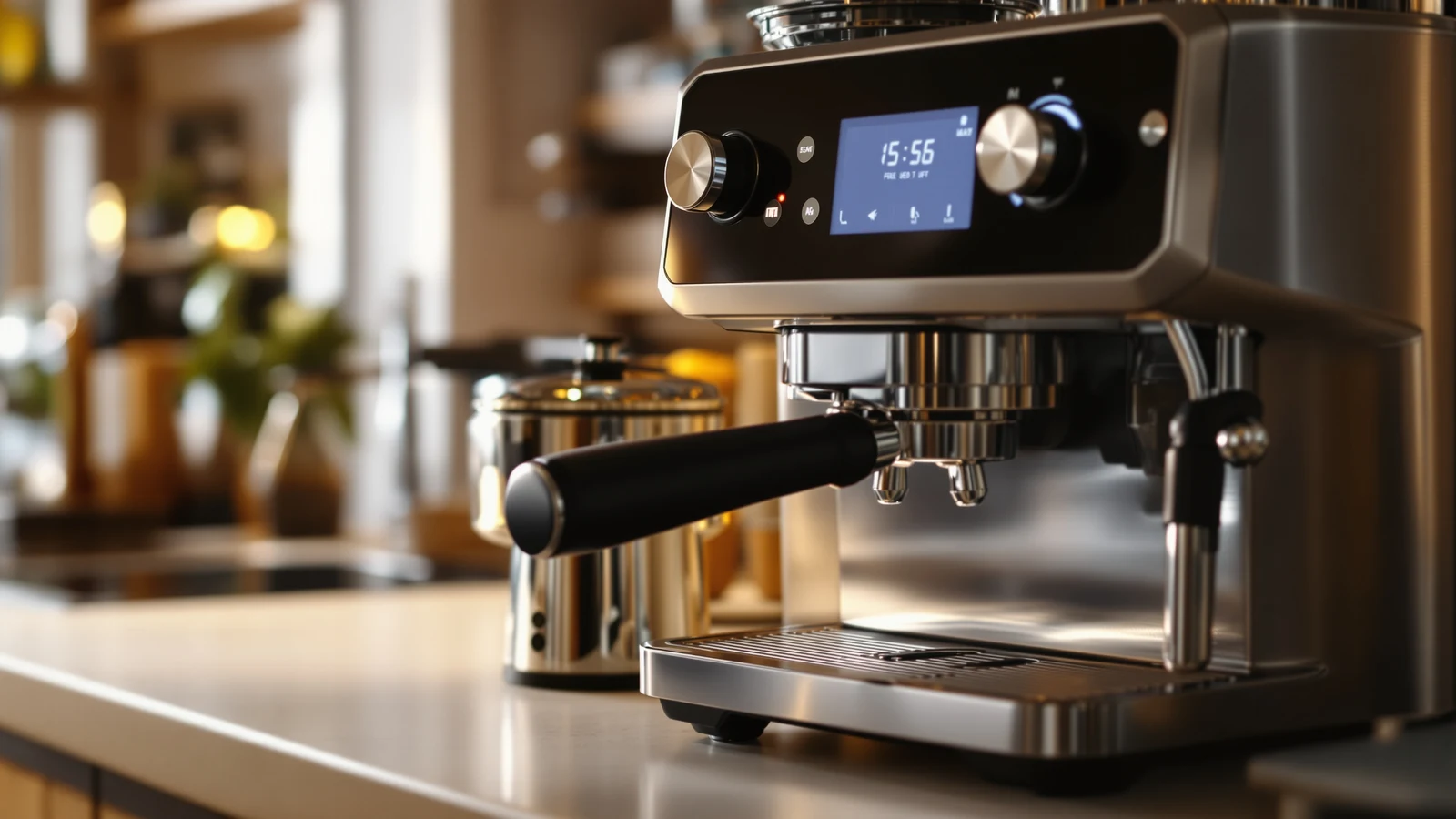
Touchscreen or Dial: How Espresso Machine Controls Actually Differ
From a single steam knob to a full LED touchscreen, control style changes daily use more than most spec sheets let on.
 Guide
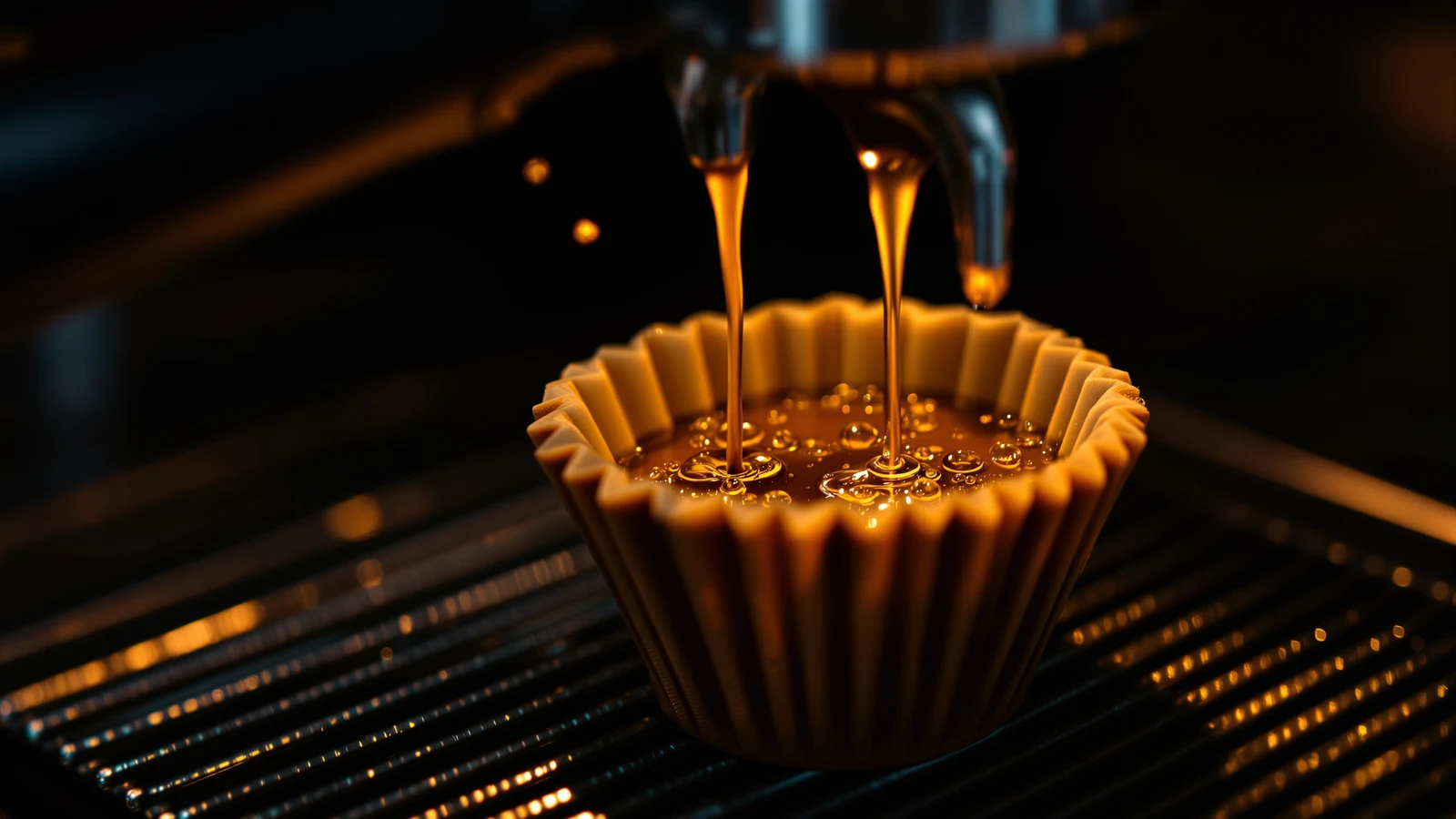
GuidePre-Infusion: What It Actually Does to a Shot
A handful of machines add a low-pressure soak before the real extraction. What it changes in the cup, and which machines here have it.
 Buying advice
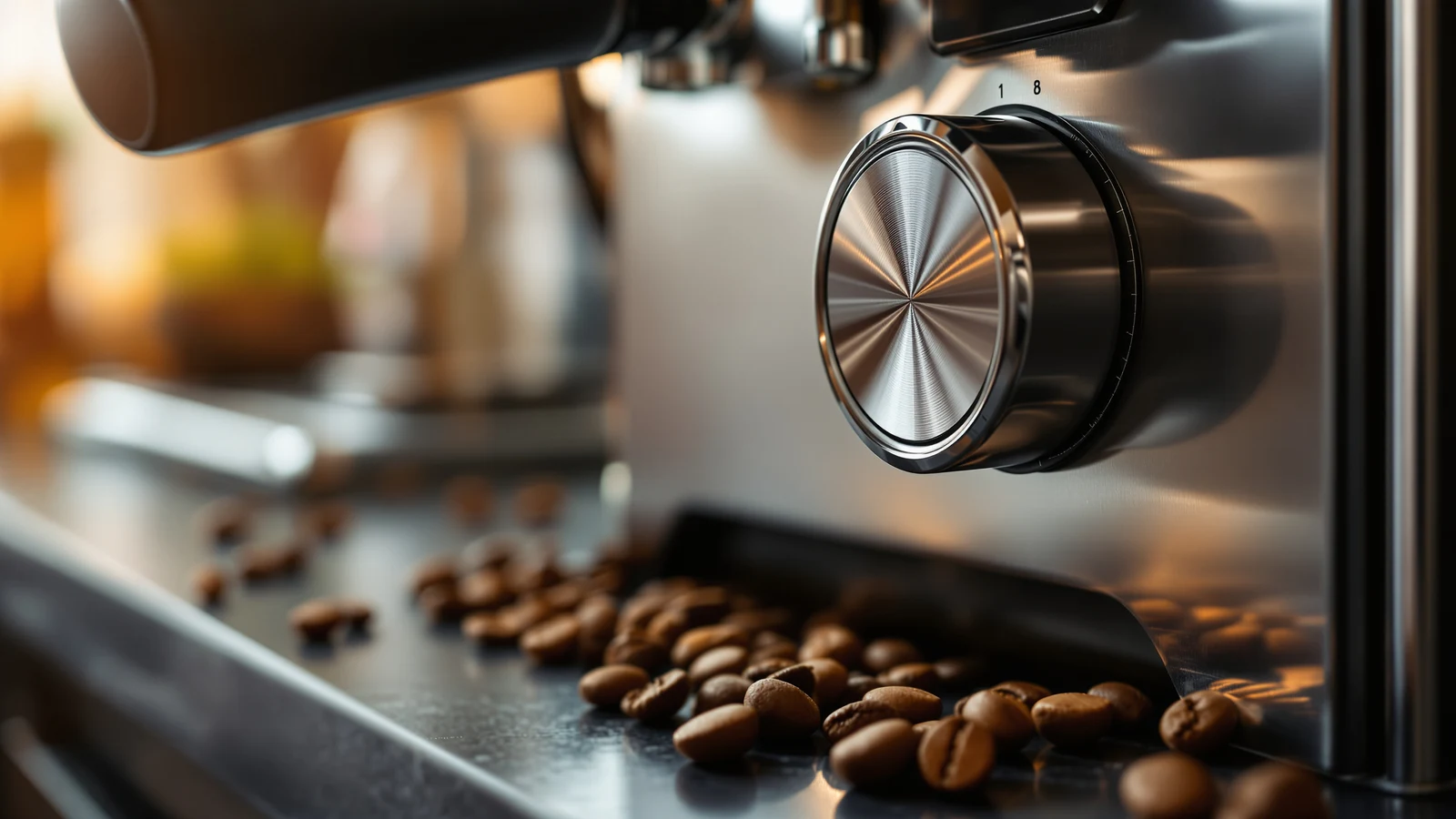
10, 20, 30 or 44 Grind Settings: How Many Do You Actually Need
The step count on a built-in grinder ranges from 10 to 44 across this catalogue. What the number really buys you, and where it stops mattering.
 Picks
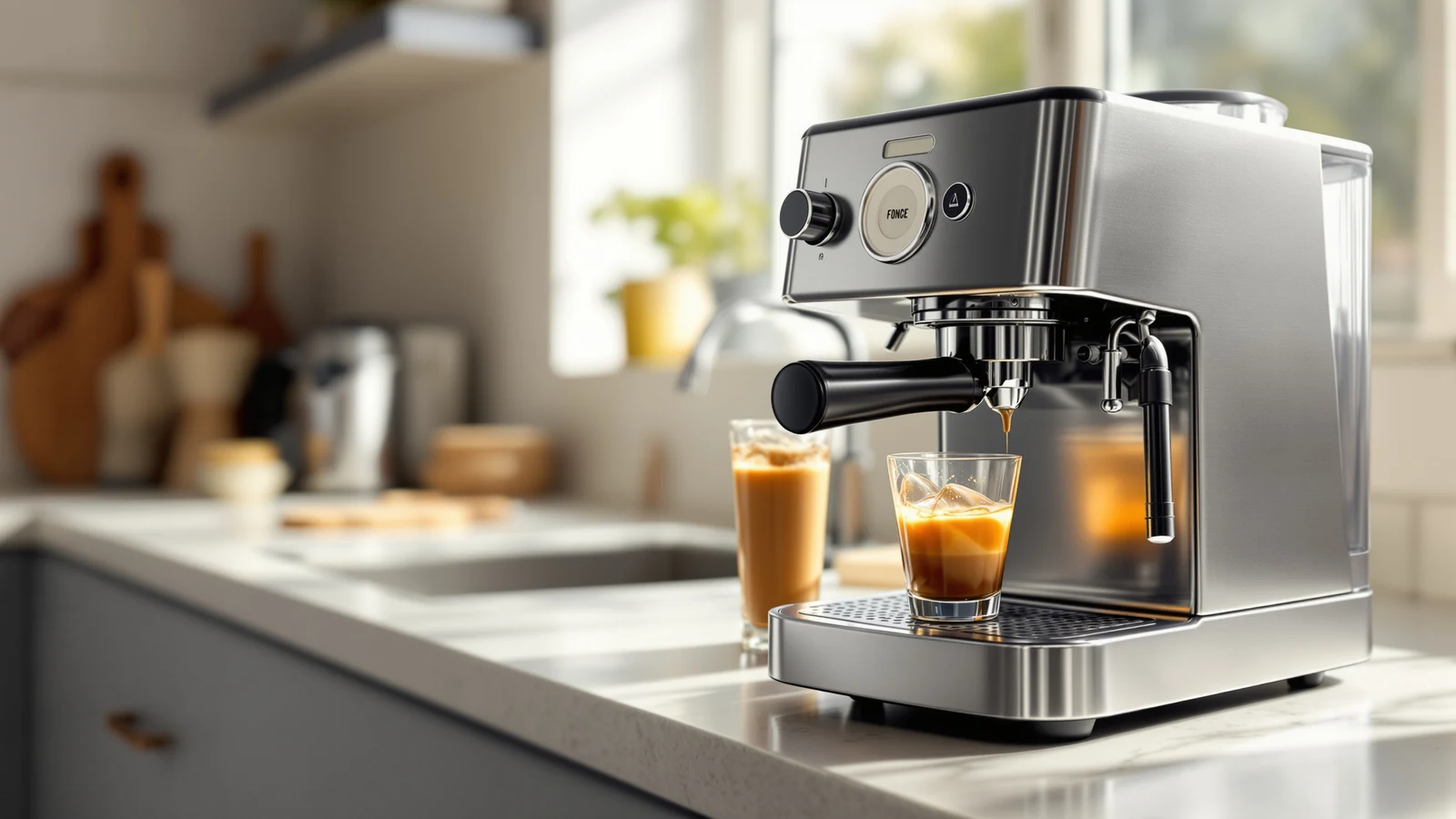
PicksThe Best Espresso Machines With a Cold Brew Mode
A handful of machines now build in a dedicated cold-brew or cold-extraction setting. Which ones do it well, and what actually changes about the process.
 Roundup
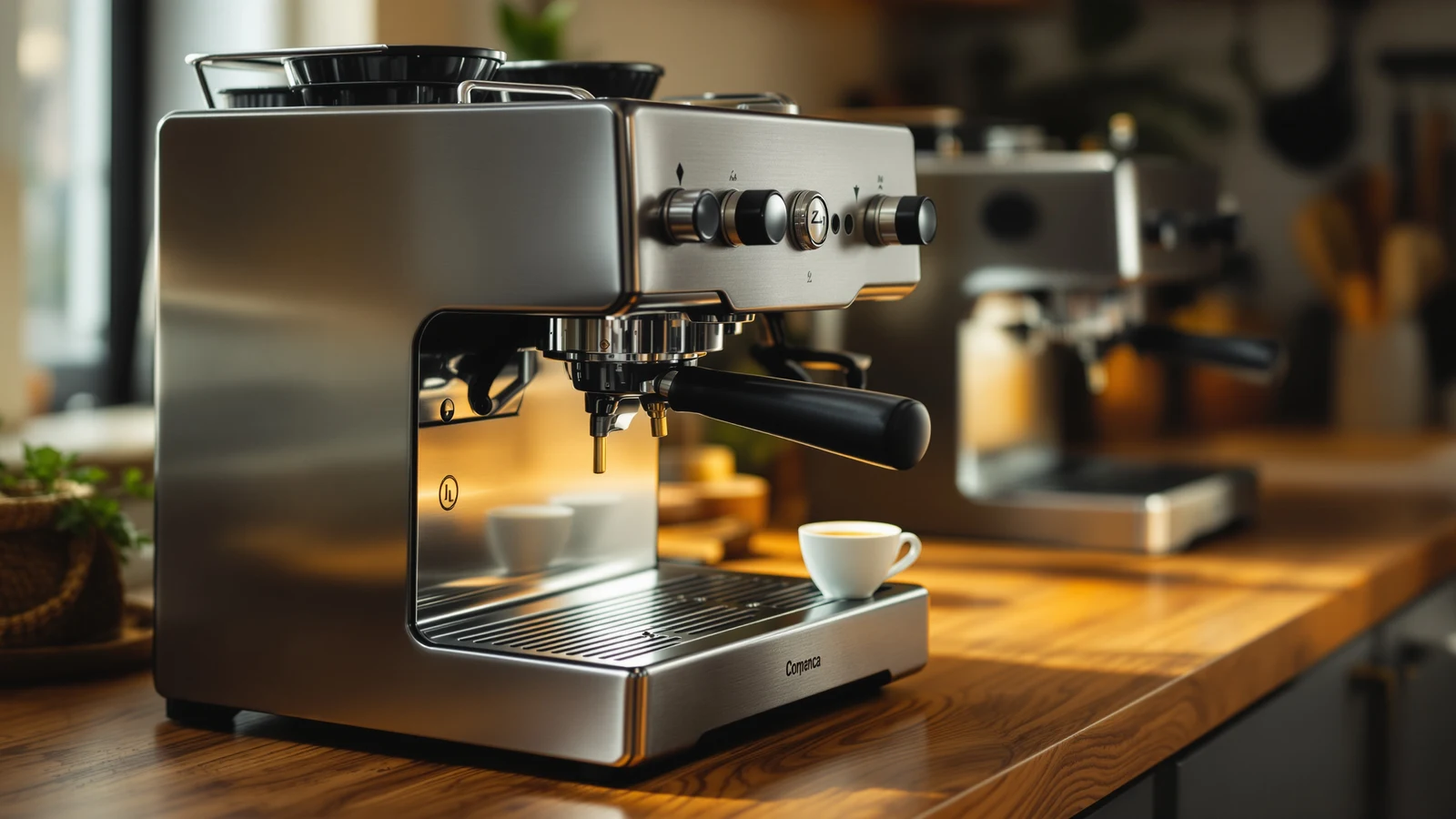
The Best Espresso Machines Under $1,000
The tier where a real portafilter, a proper steam wand and temperature control stop being extras.
 Guide
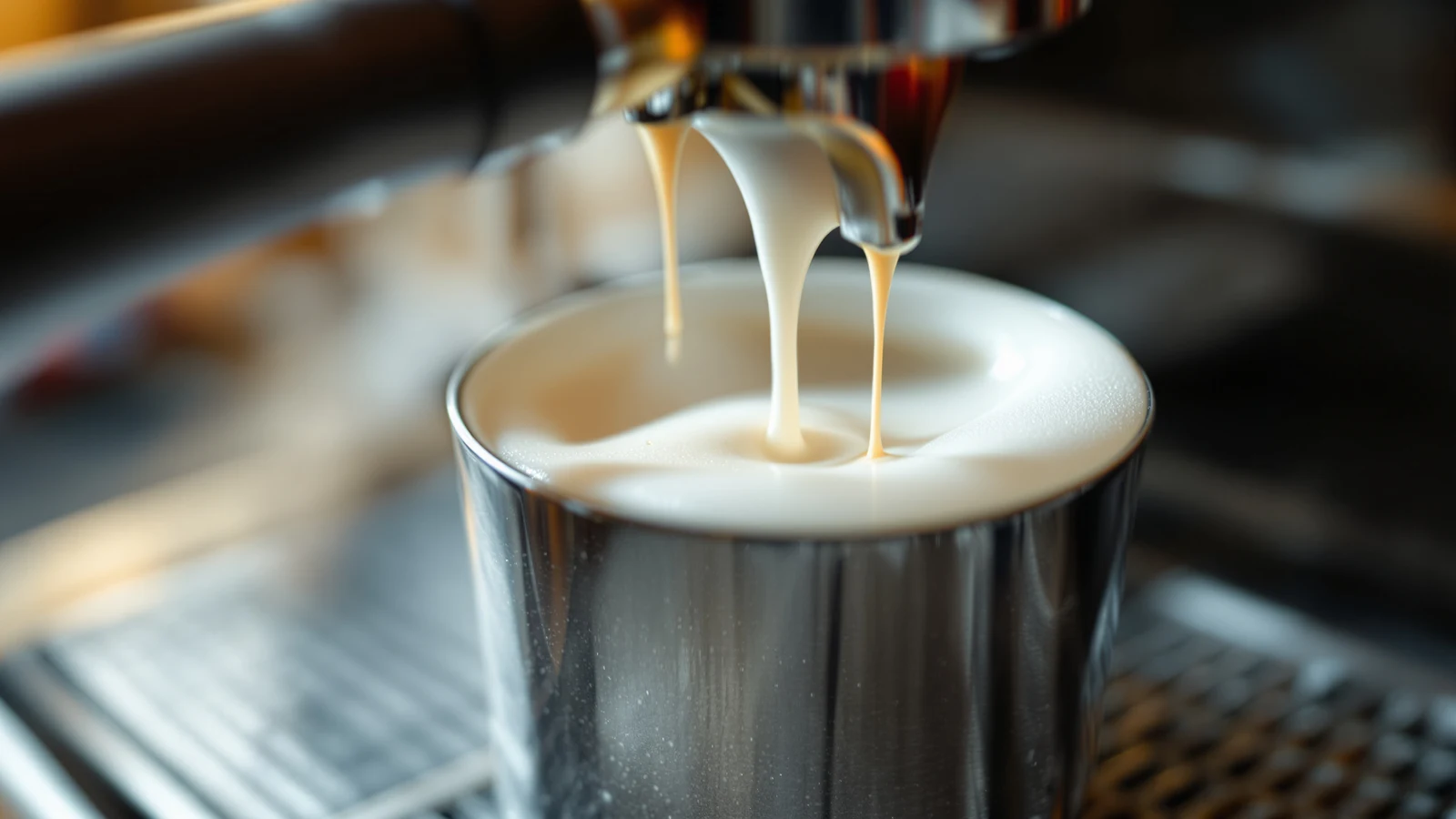
GuideSteam Wand or Automatic Frother: Which Milk System to Buy
One gives you control and a learning curve. The other gives you the same drink every morning. The choice is about you, not the machine.
 Guide
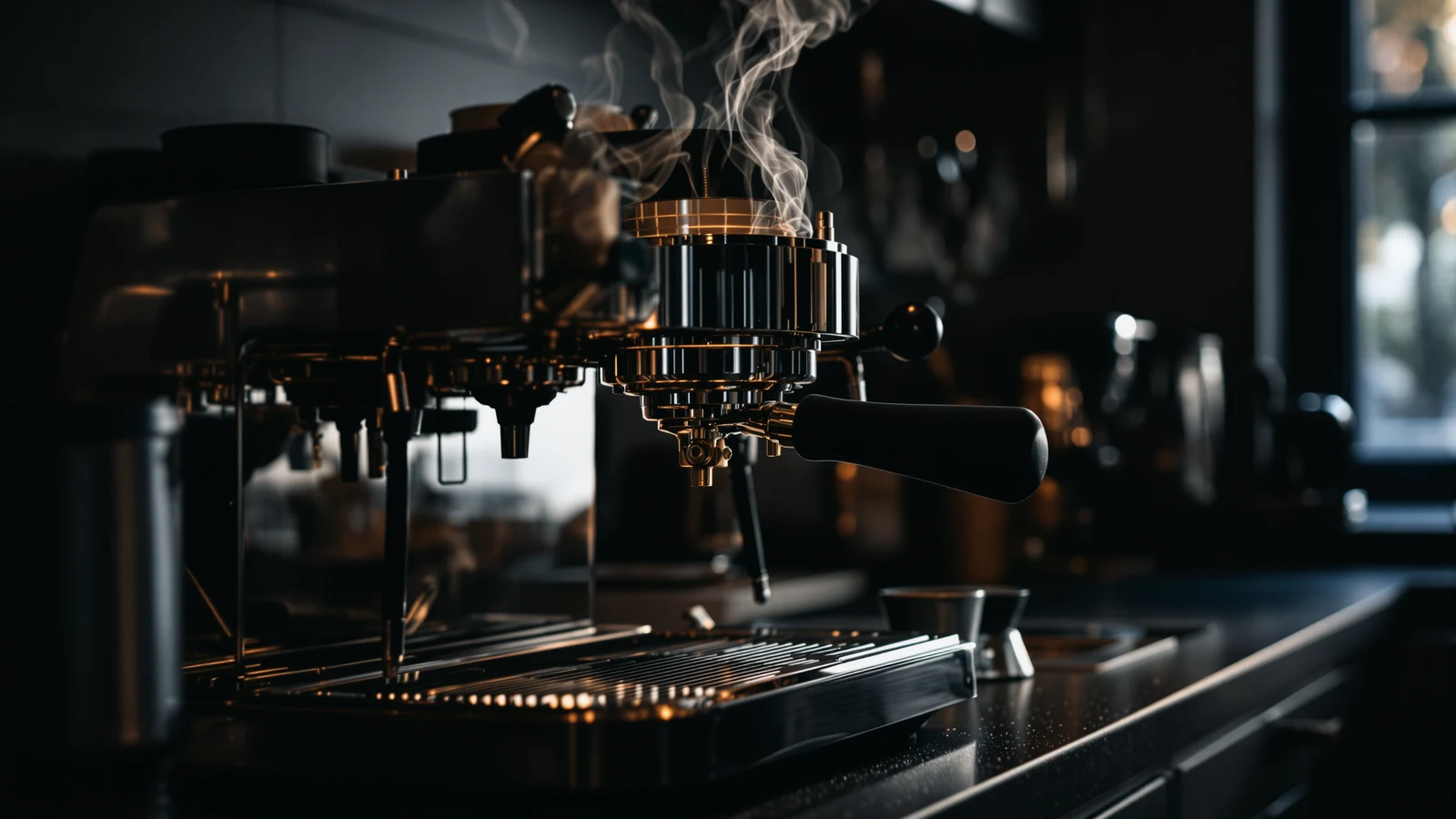
GuideWarm-Up Time: Why Your First Shot Is Never the Good One
A machine that says ready in 30 seconds is telling you about its heater, not about its group head.
 Guide
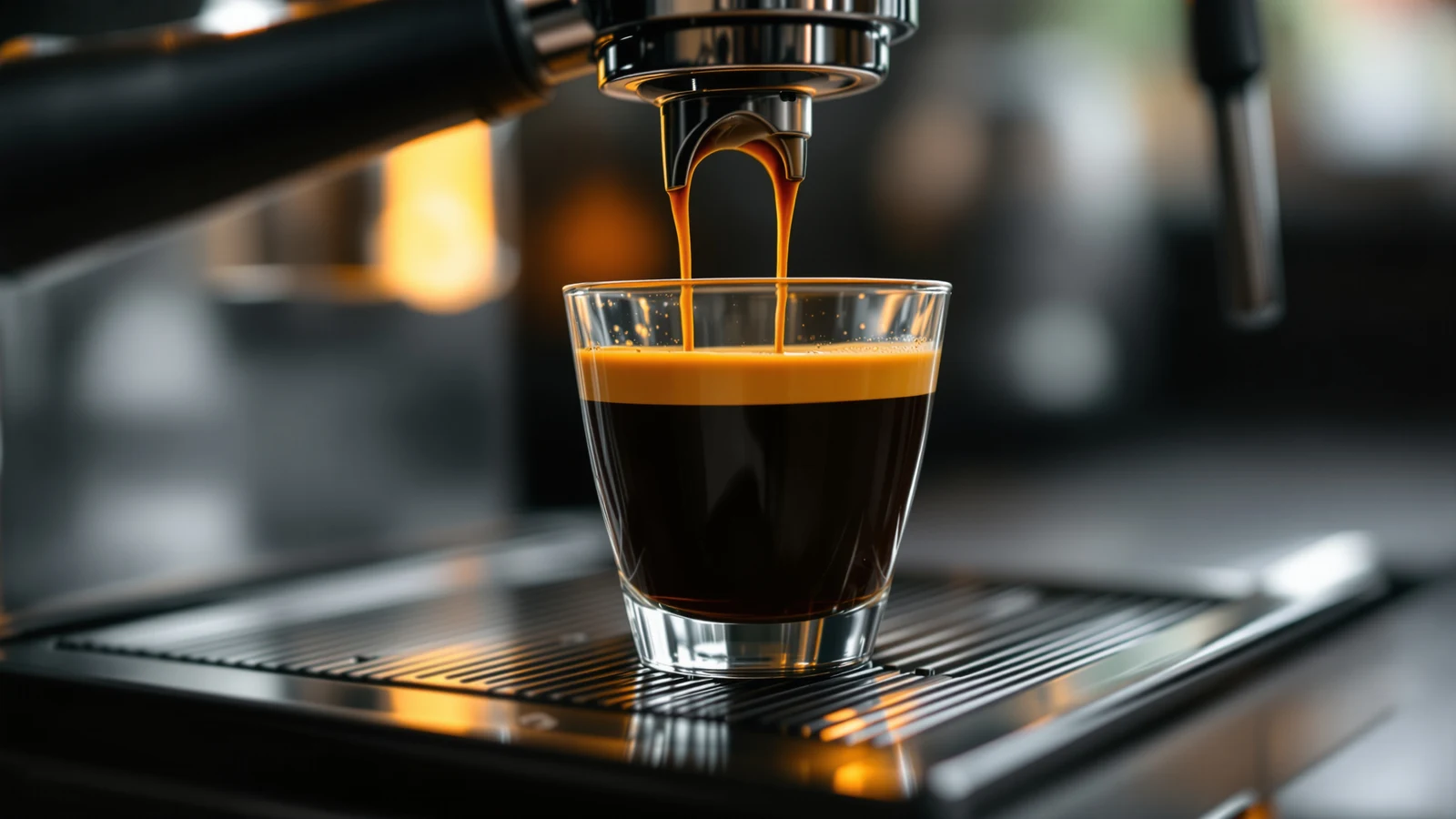
GuideWhy Your Espresso Tastes Bitter (and How to Fix It)
Bitterness is usually over-extraction, and over-extraction is usually one of four things.
 Guide
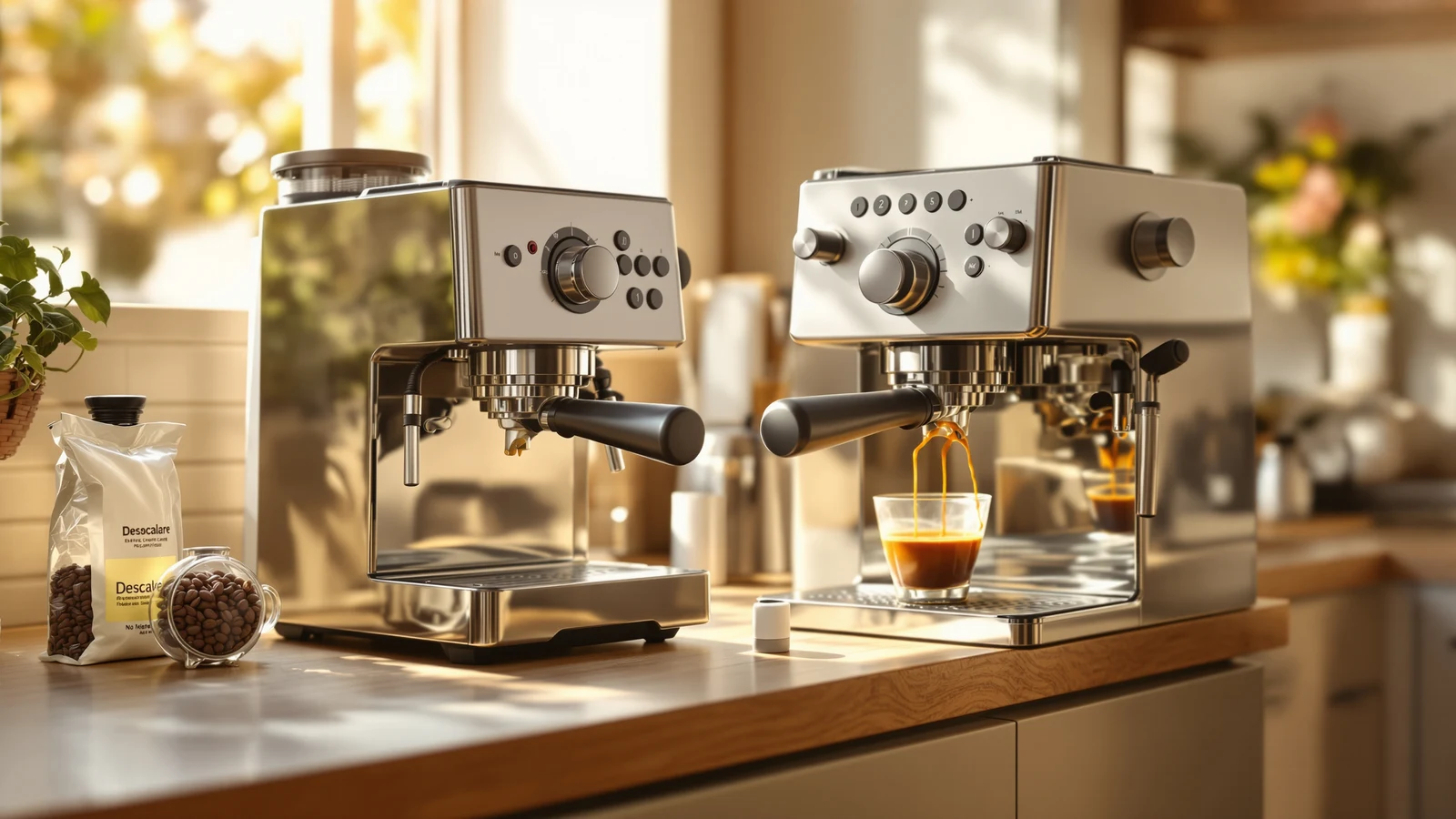
GuideWhat an Espresso Machine Really Costs to Run
Beans, power, descaler, filters, and the repair nobody budgets for. The honest yearly figure.
 Guide
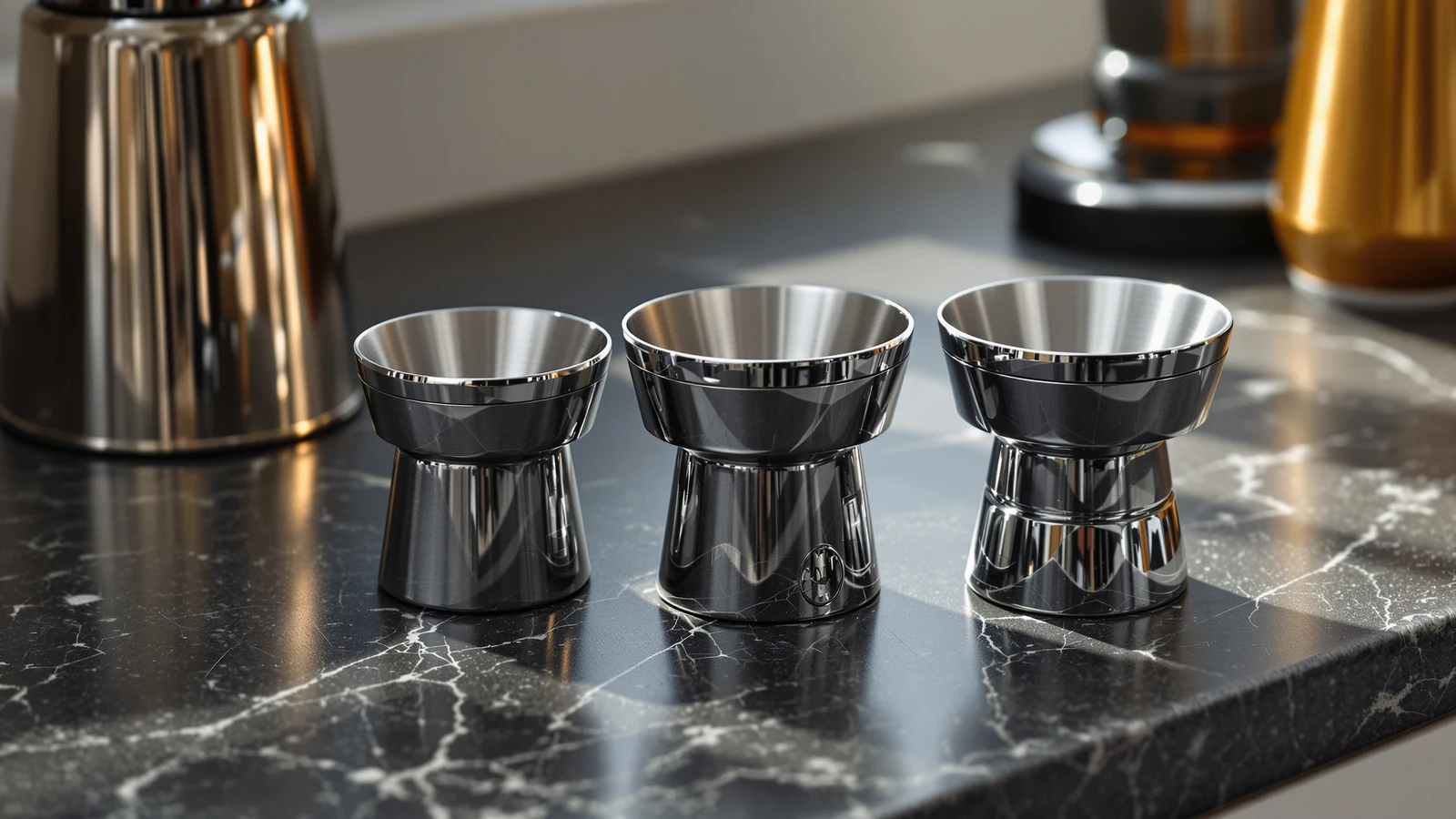
GuidePortafilter and Basket Sizes: 51mm, 54mm, 58mm
The number decides which accessories fit for the life of the machine. Nobody mentions it on the box.
 How-to
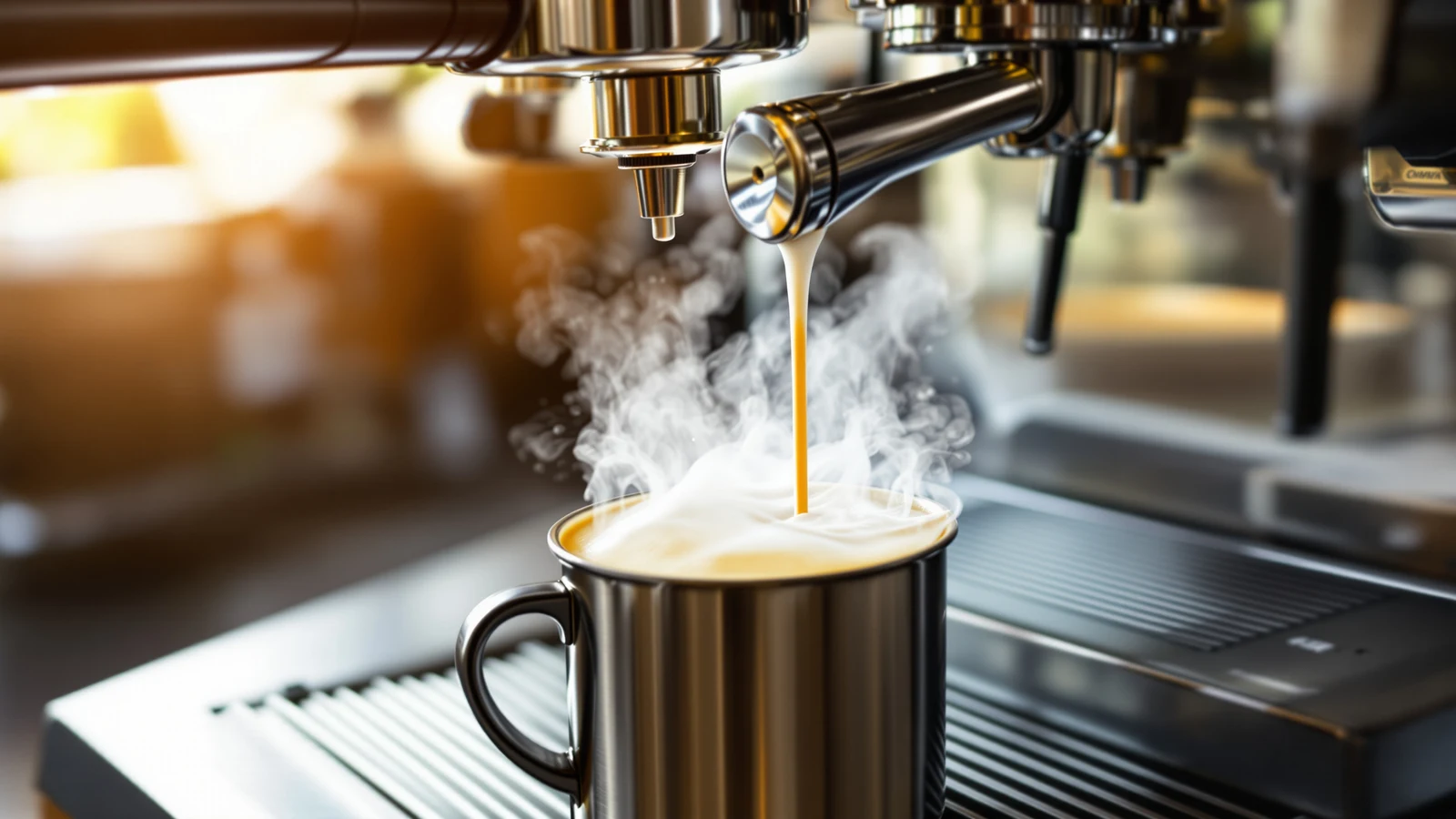
How to Froth Milk at Home (and Why Yours Goes Flat)
Temperature, angle, and the fifteen seconds that decide whether you get microfoam or bubbles.
 Buying guide
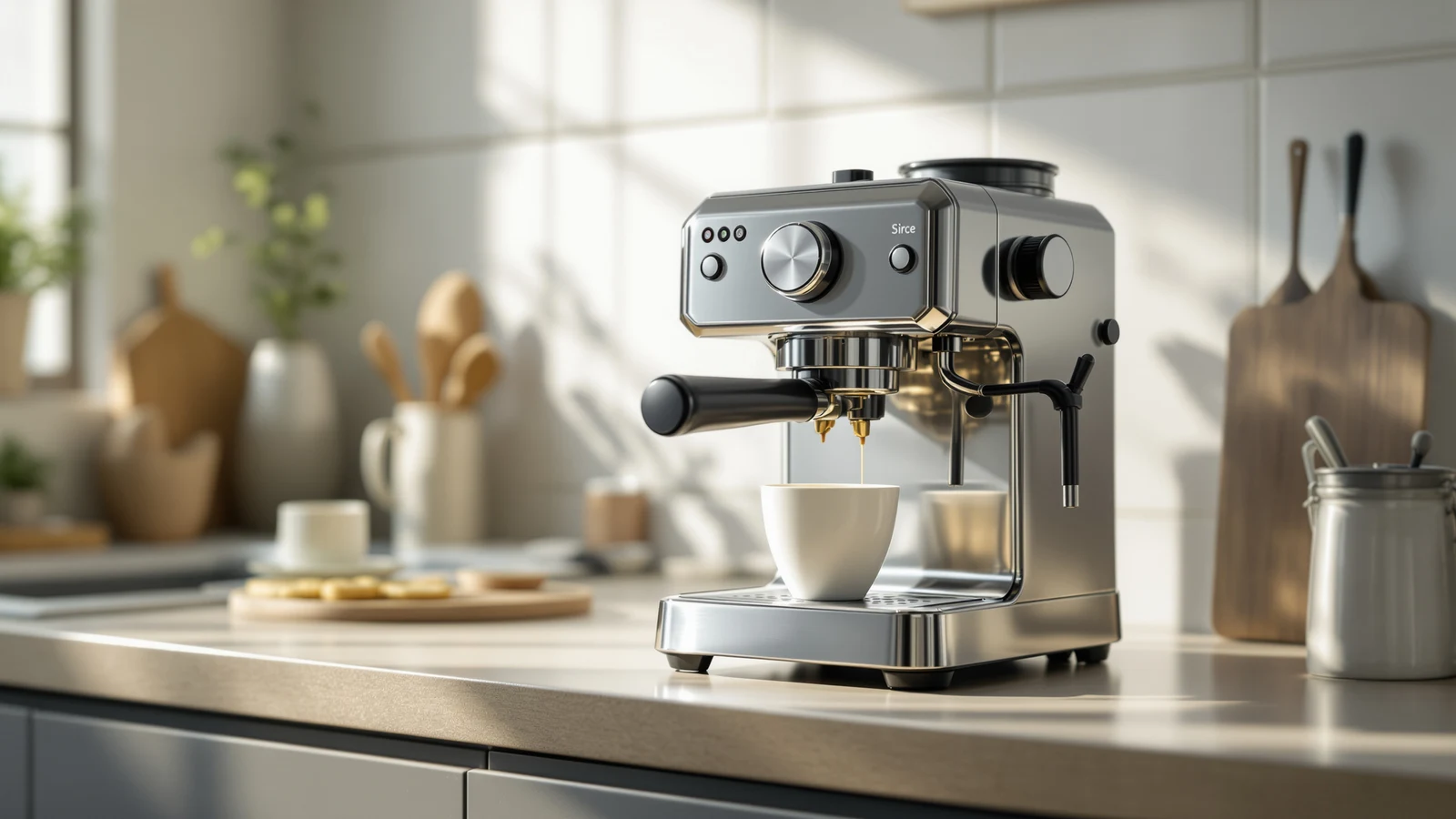
The Best Espresso Machines Under $100
Below $100 you are buying steam pressure, not pump pressure. What that changes in the cup.
 Comparison
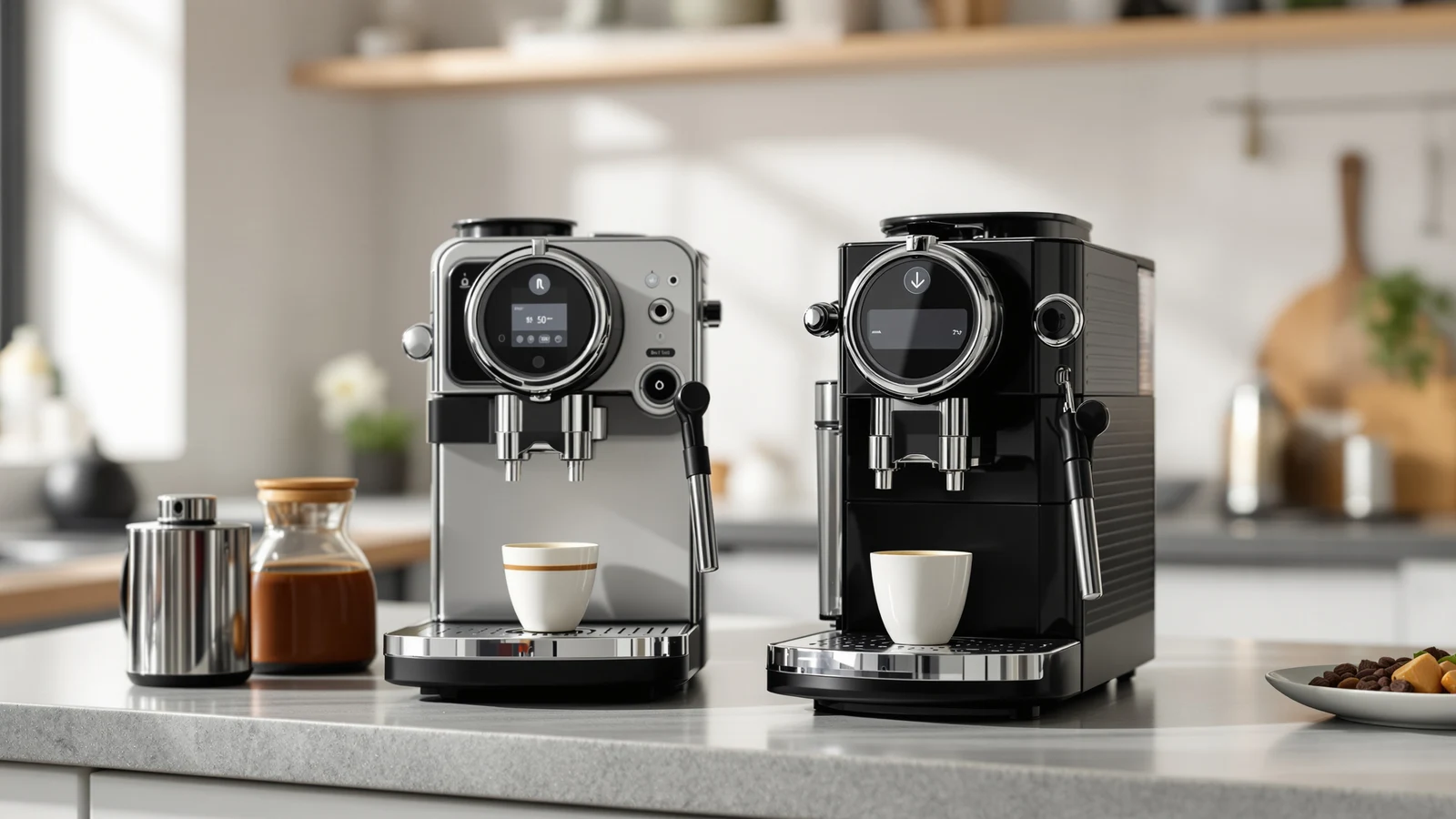
Espresso Machine vs Pod Machine: The Real Cost Per Cup
Pods are genuinely convenient. Over three years, here is what each one costs, and what you can and cannot change about the coffee.
 Guide
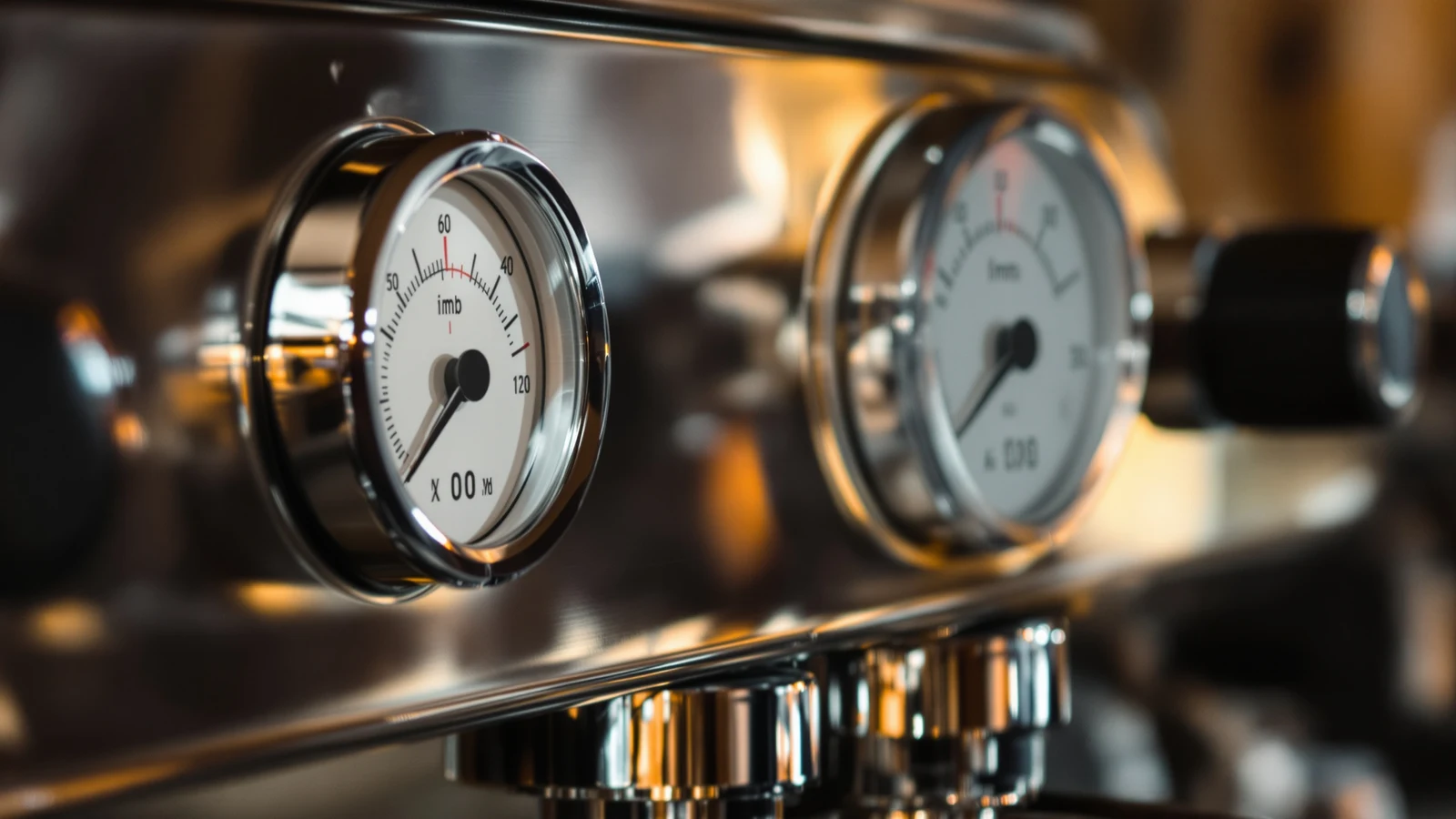
GuideWhy 9 Bar Matters, and Why 20 Bar on the Box Does Not
Machines advertise 20 bar. Espresso is brewed at 9. The number on the box describes the pump, not the shot.
 Guide
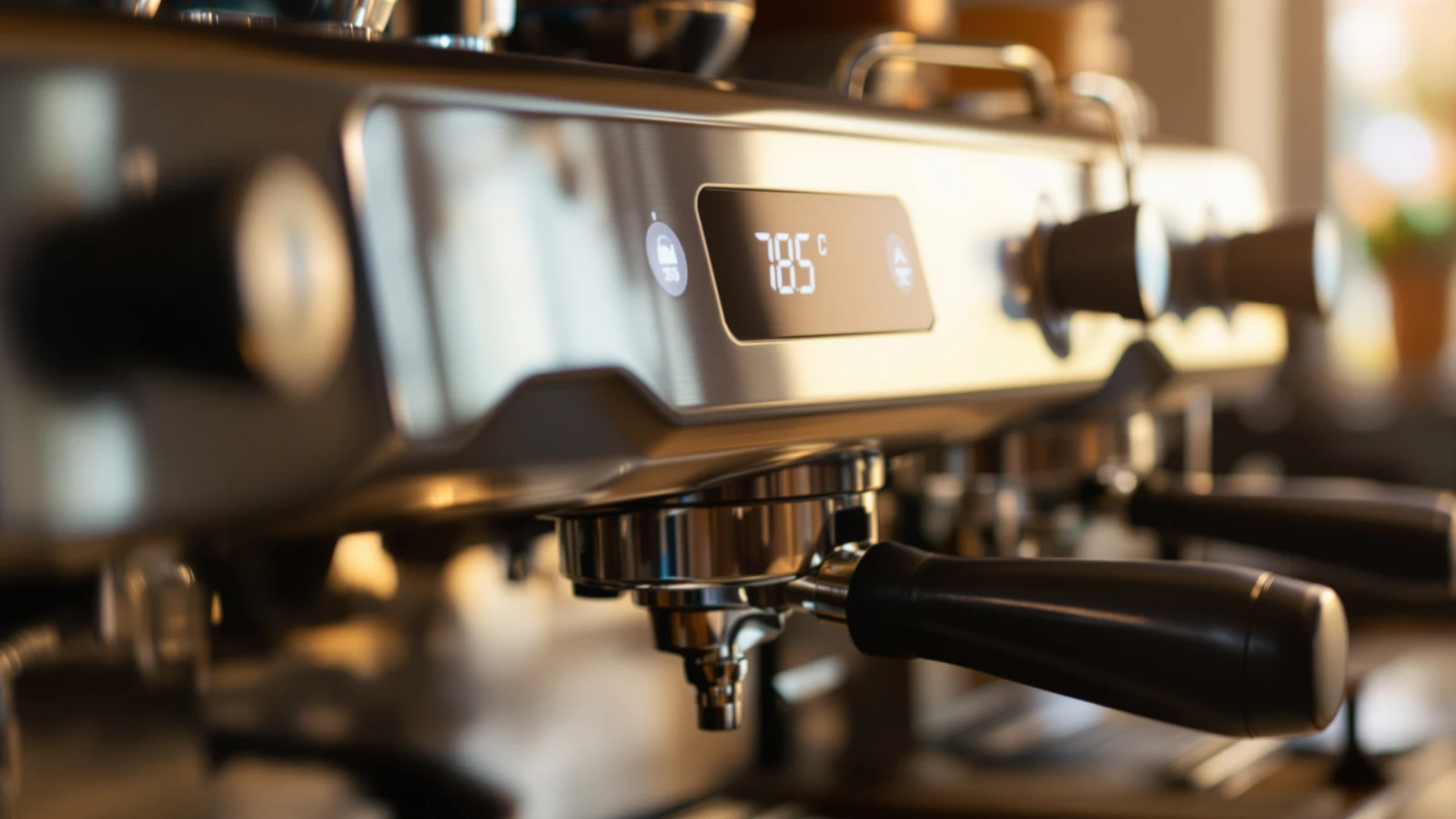
GuidePID Temperature Control: What It Actually Does to Your Shot
Three letters on a spec sheet that change how repeatable your espresso is. What PID controls, and when a machine is fine without it.
 Buying guide
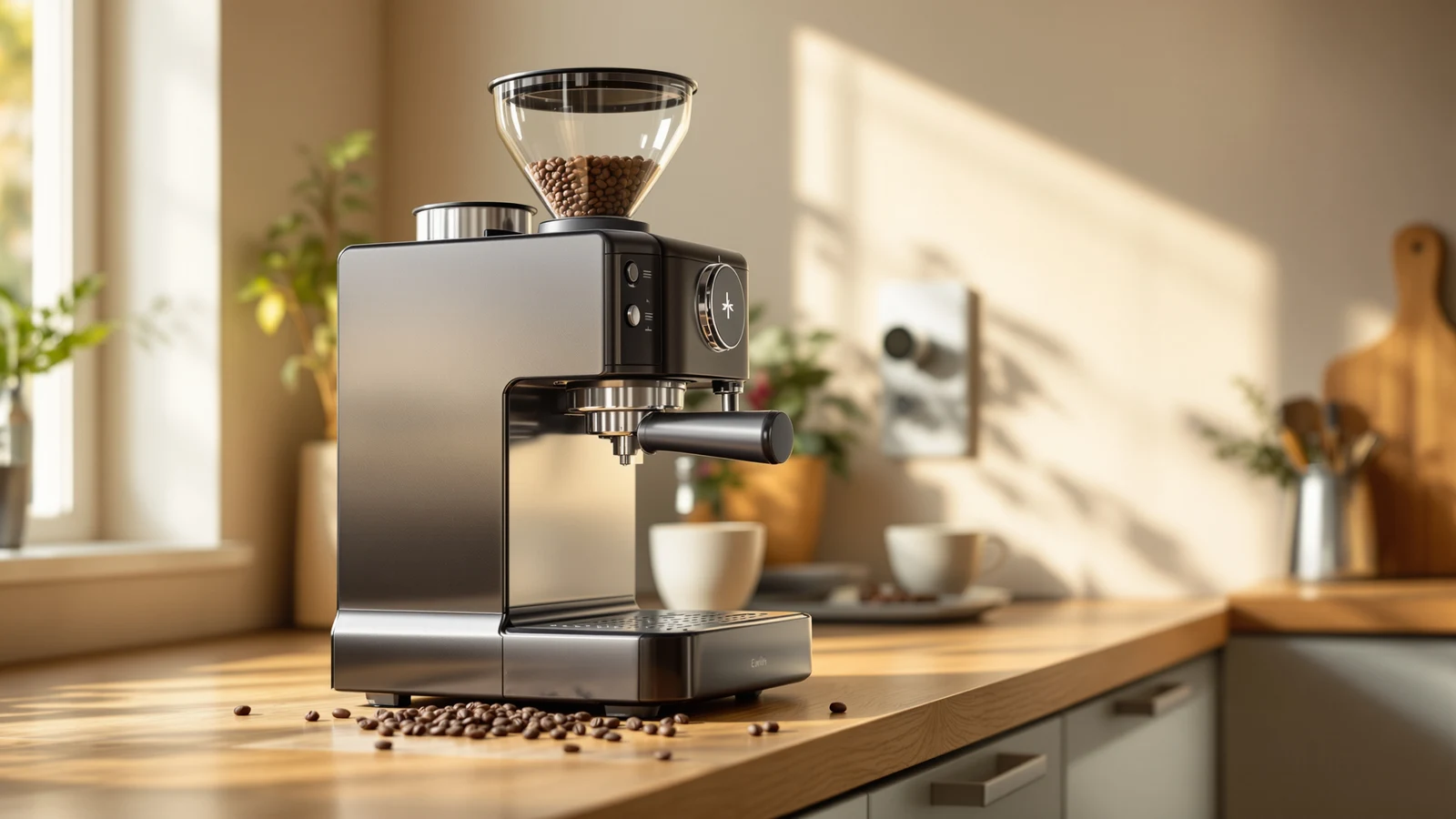
The Best Espresso Machines With Built-In Grinders
One appliance instead of two, and the counter space that buys back. What an integrated grinder gives up to a separate one.
 How-to
Water Quality and Descaling: The Cheapest Way to Double Your Machine's Life
Scale kills more home espresso machines than anything else. What water to use, how often to descale, and what it costs.
 Buying guide
The Best Espresso Machines for Beginners (2026)
Forgiving machines that make a good shot before you learn to dial in — and the ones that will frustrate you.
 Buying guide
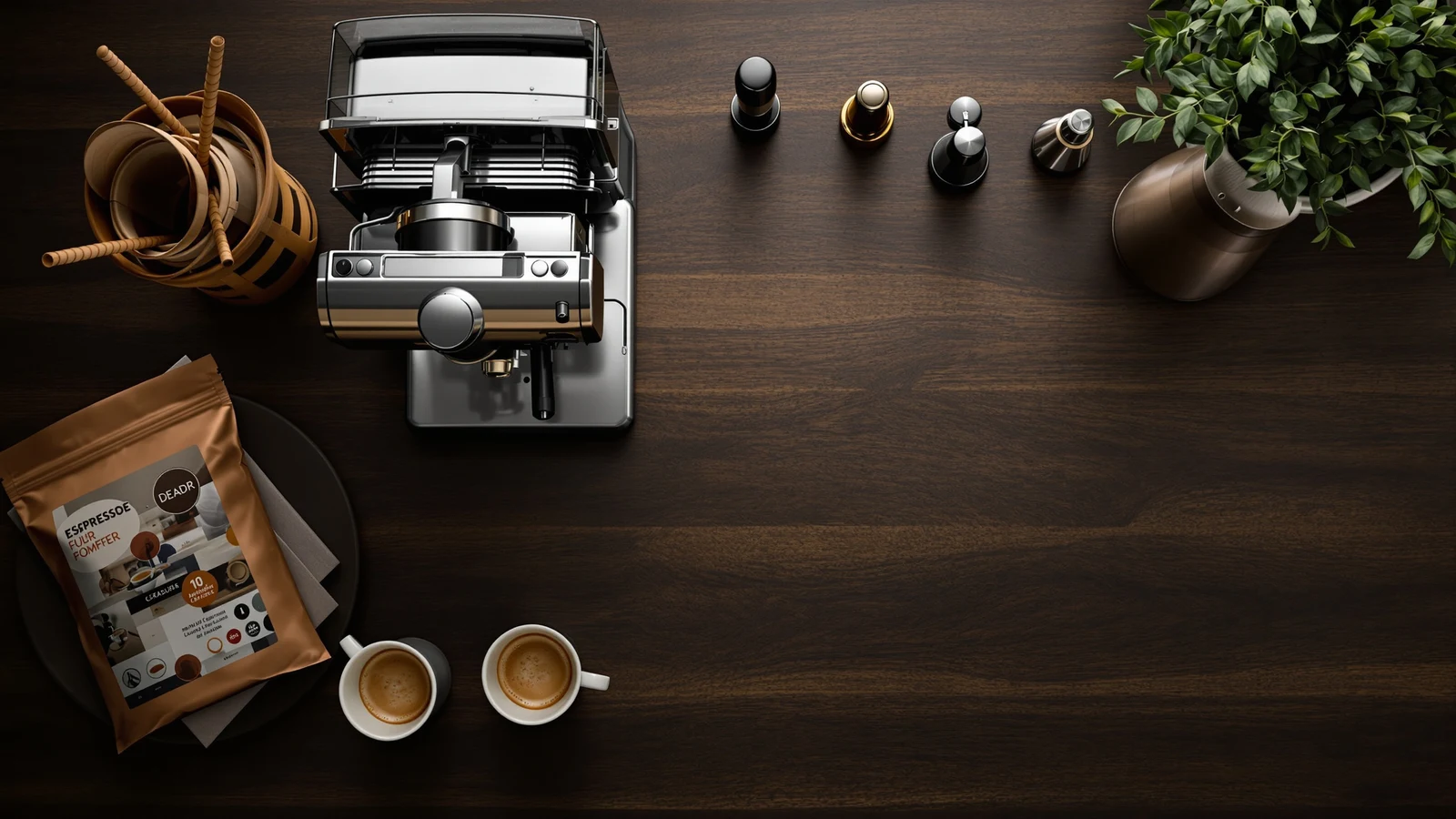
How to Choose an Espresso Machine (2026 Buying Guide)
Machine types, the specs that matter, the ones that don't, and how much you actually need to spend.
 How-to
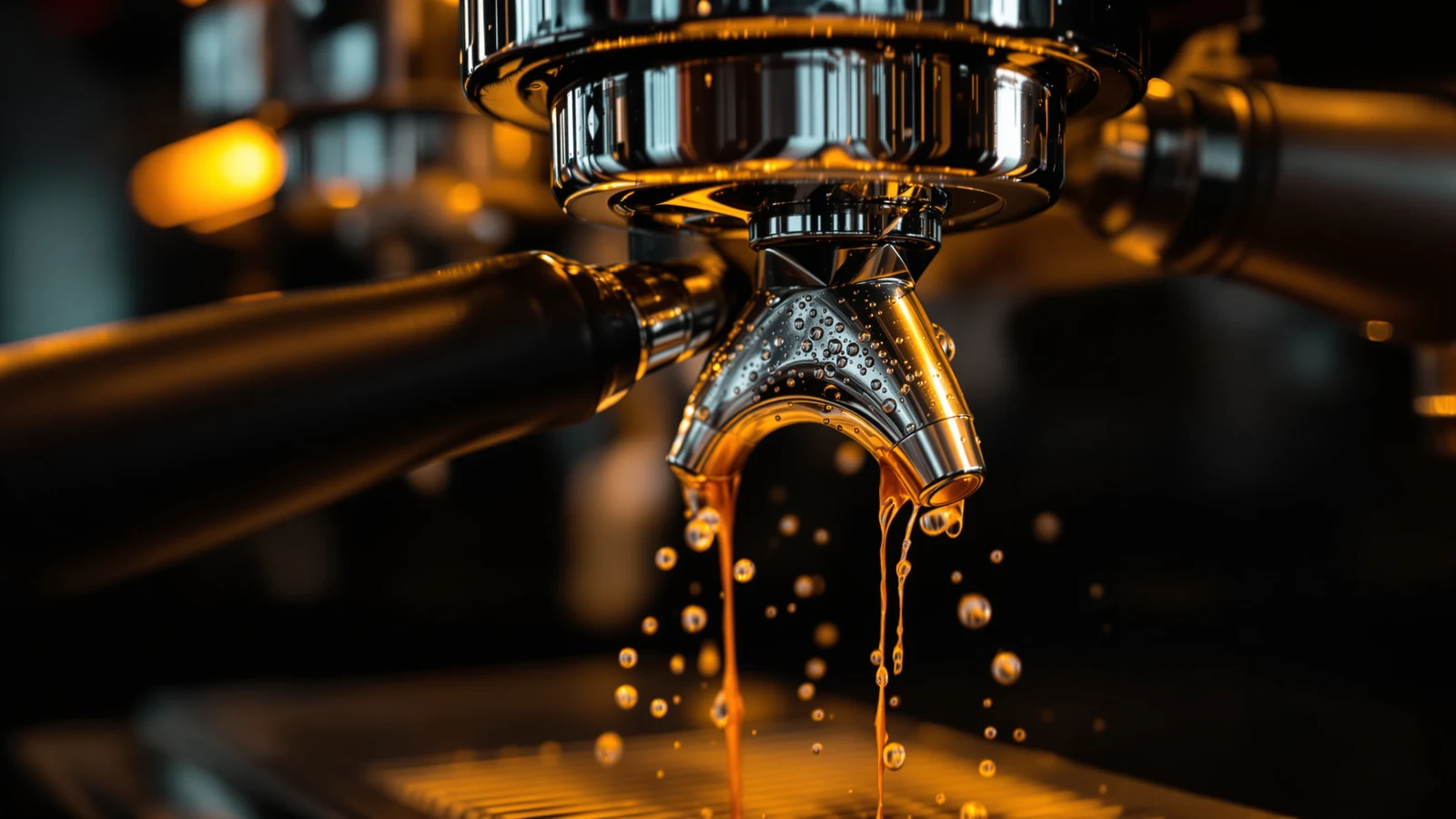
Espresso Machine Troubleshooting: 12 Common Problems, Fixed
No pressure, watery shots, a wand that won't steam — the fixes that work, in order of likelihood.
 Buying guide
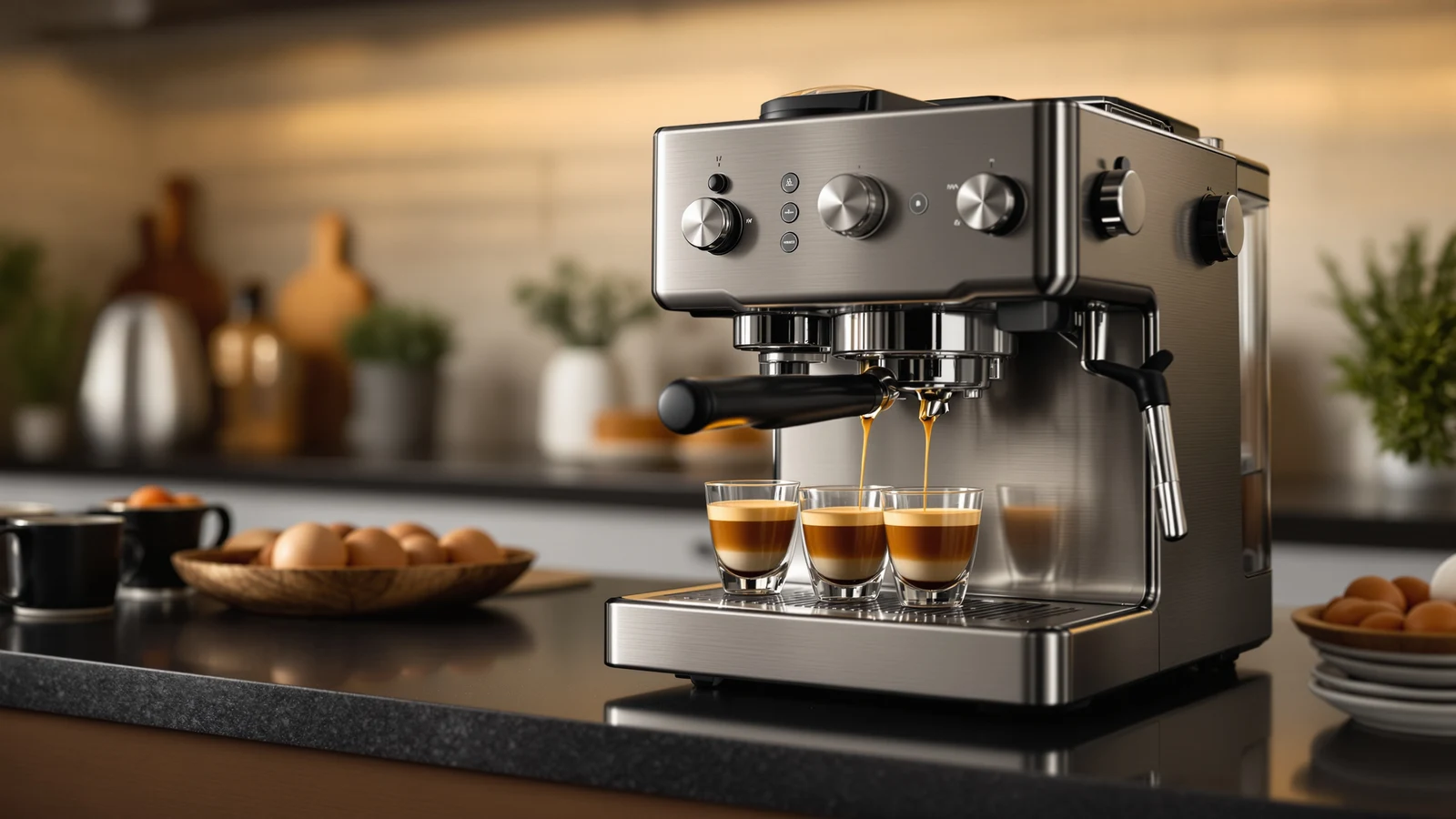
The Best Espresso Machines Under $500 (2026)
The sweet spot of home espresso: real steam power and consistency without prosumer pricing.
 How-to
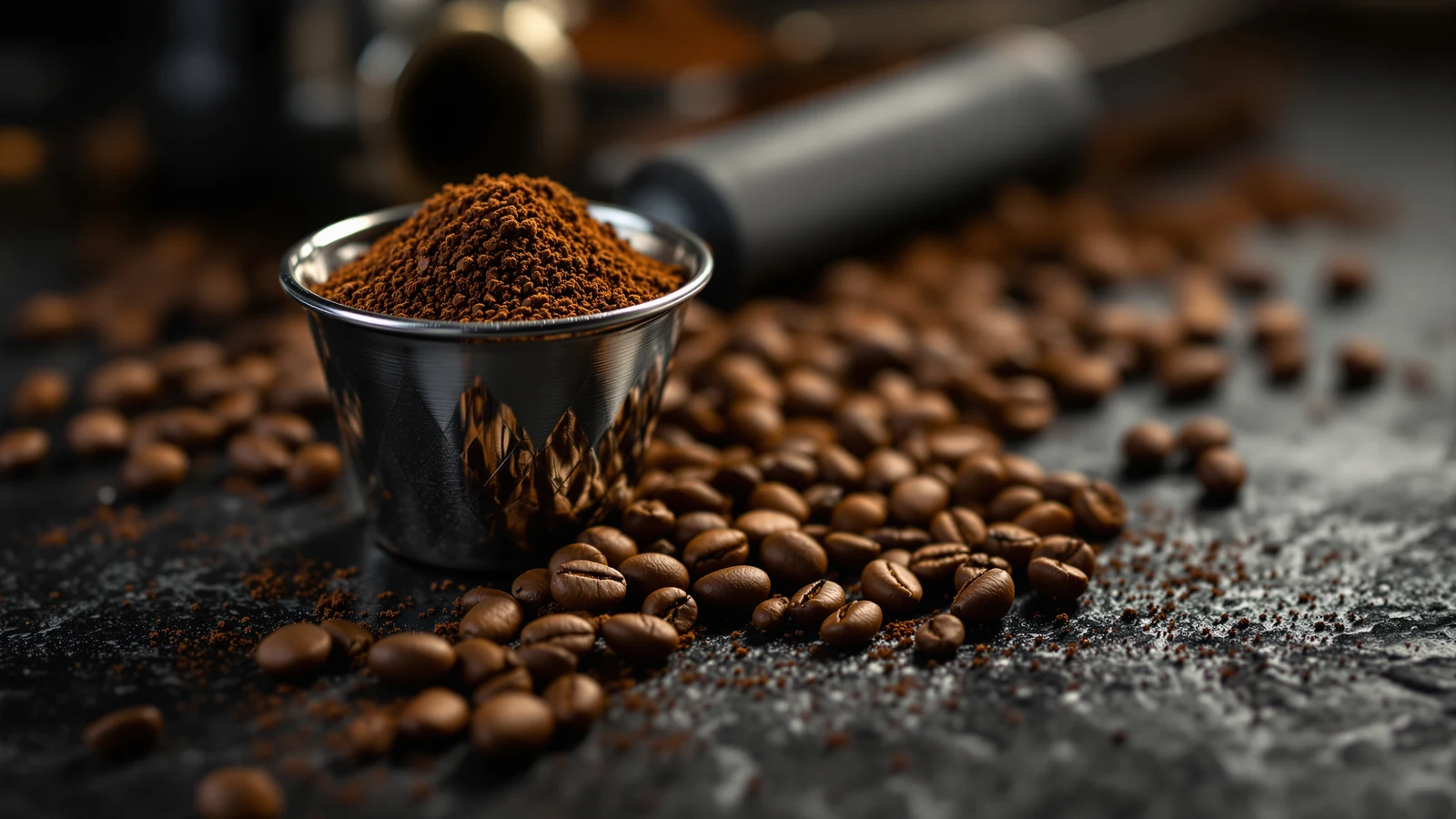
Beans and Grind Size: The Two Things That Fix a Bad Shot
Before you blame the machine — roast date, bean choice and grind size explain most disappointing home espresso.
 Comparison
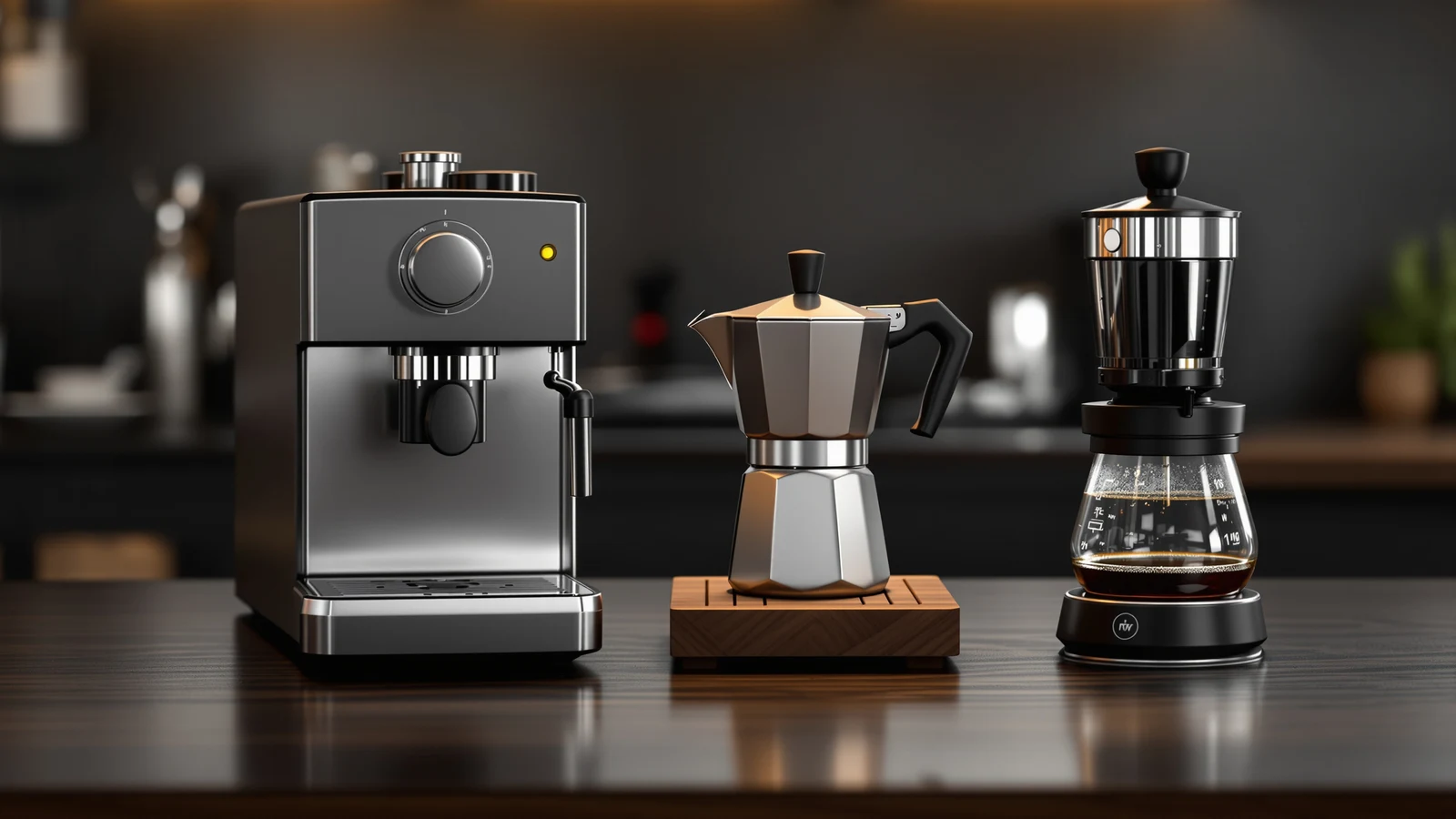
Espresso Machine vs Moka Pot vs AeroPress: What You Actually Get
Real pressure, real crema, real money. An honest comparison of three very different ways to make strong coffee at home.
 Buying guide
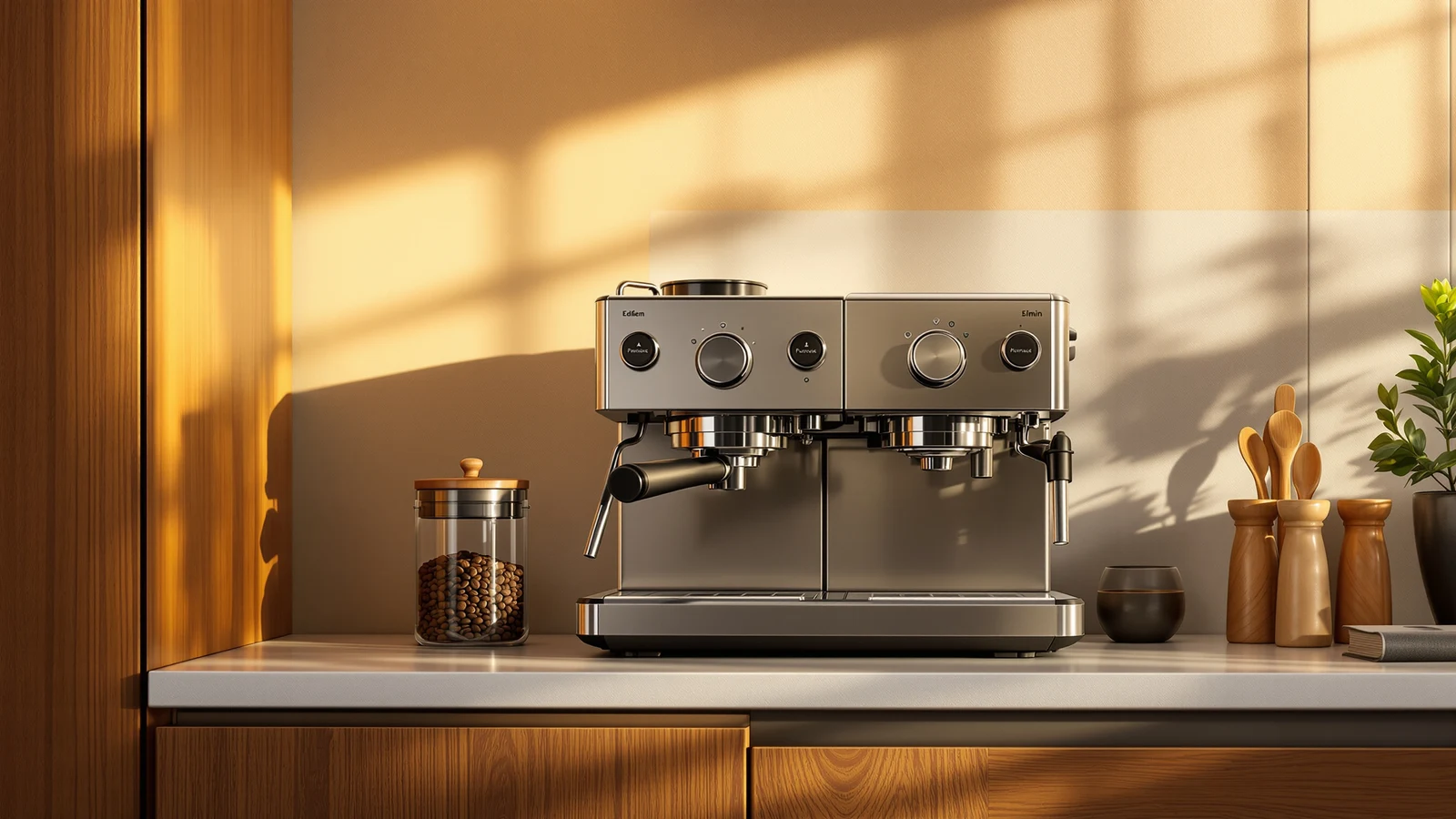
The Best Compact Espresso Machines for Small Kitchens (2026)
Under 8 inches wide, still makes real espresso. The slim machines worth the counter space in an apartment.
 How-to
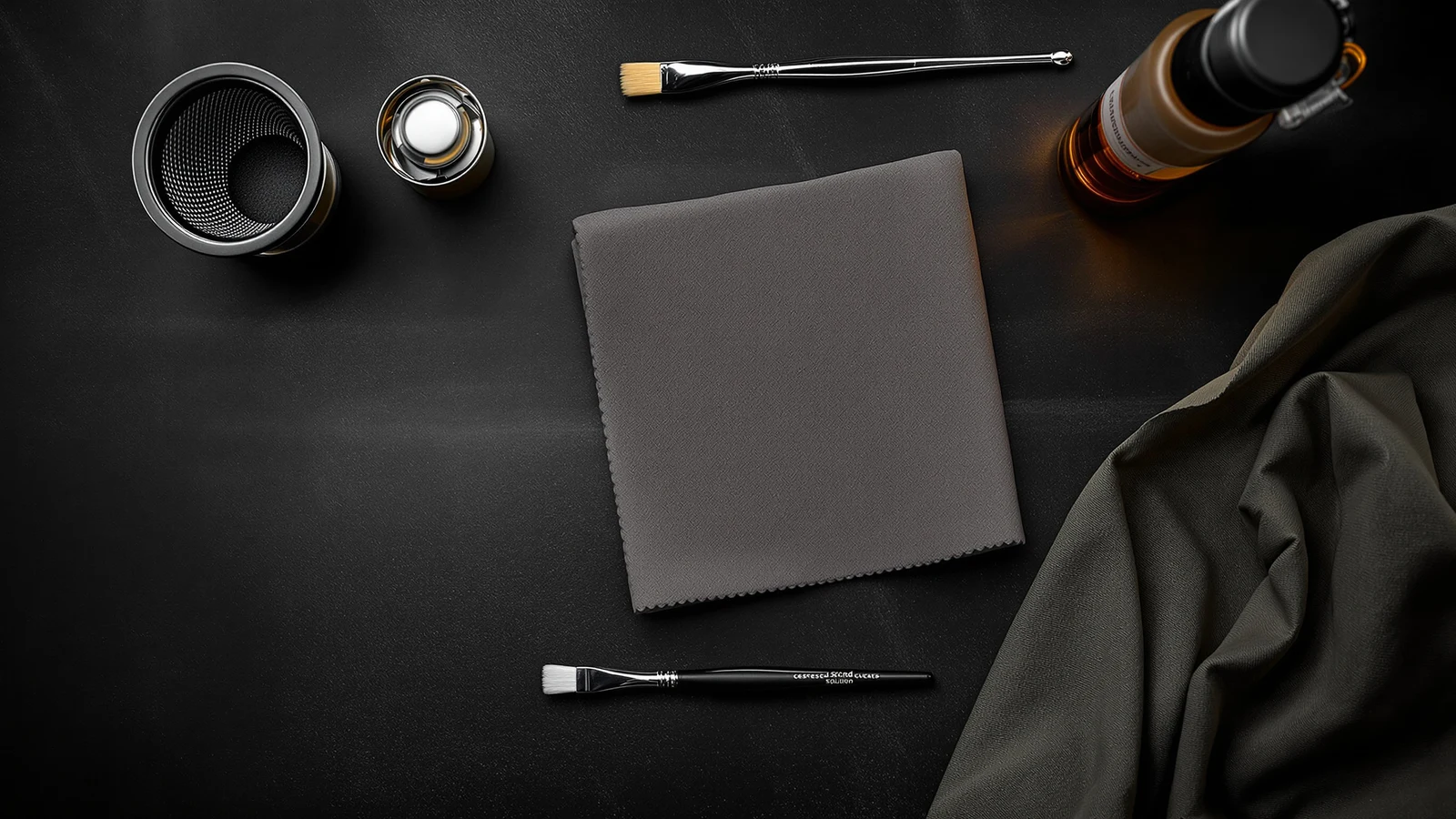
The Espresso Machine Maintenance Schedule That Actually Keeps It Alive
Daily, weekly, monthly and yearly — what to do, what it costs, and the neglected step that kills most home machines.
 Buying guide
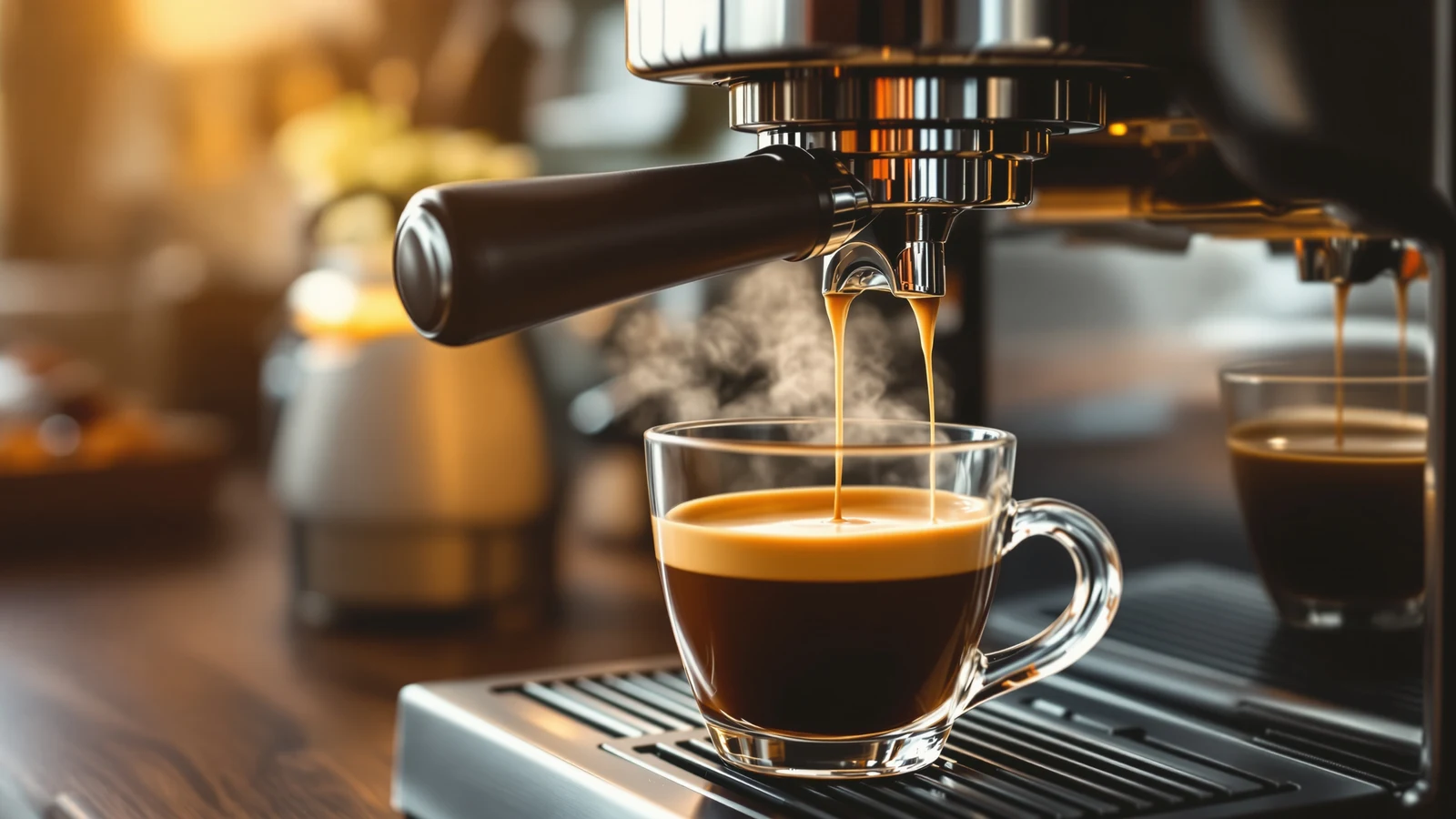
The Best Espresso Machines With a Milk Frother (2026)
Steam wand or automatic frother? The machines that actually make a decent flat white at home, from $80 to $600.
 Honest take
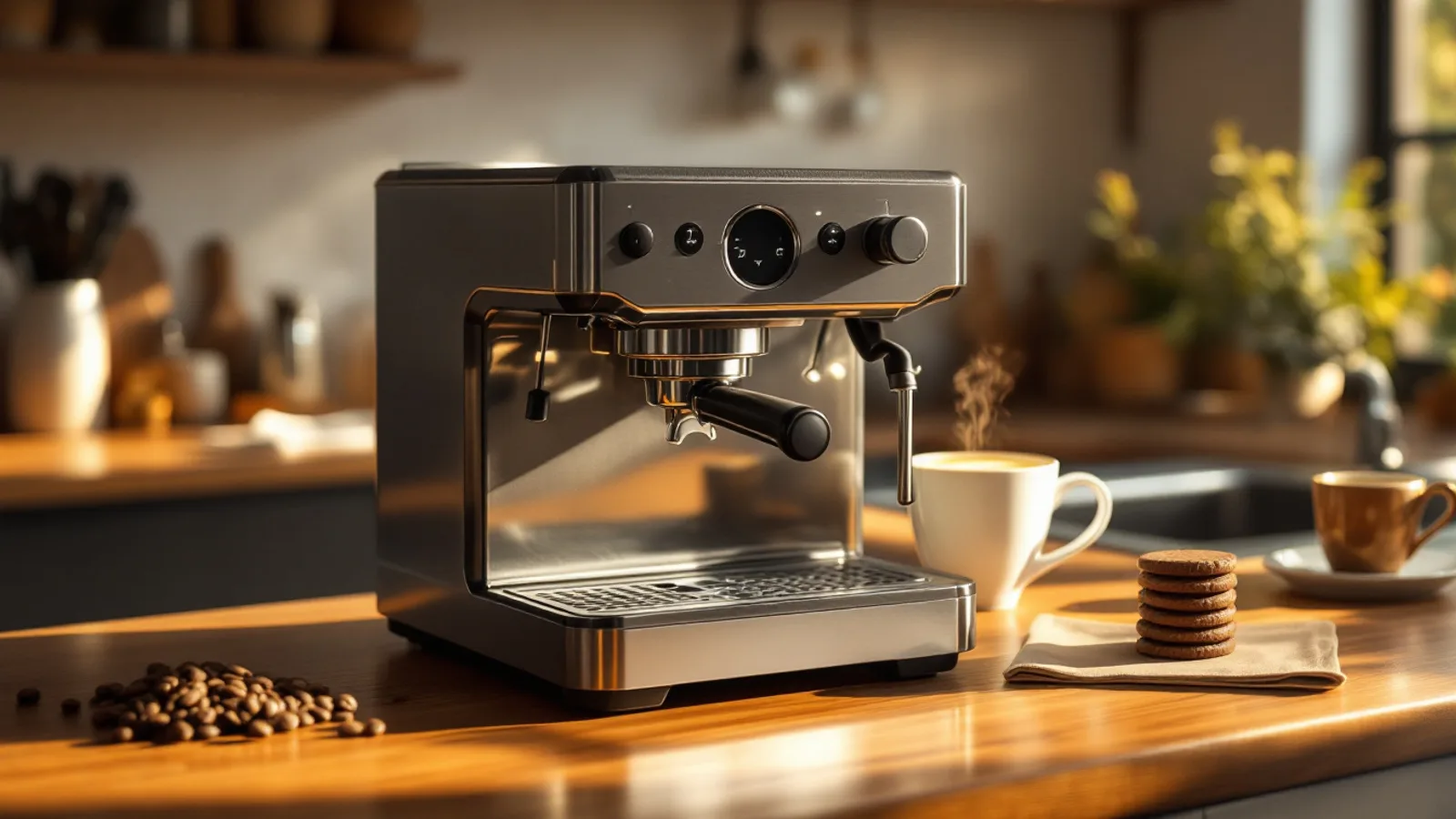
Are Home Espresso Machines Worth It? The Honest Cost Math
Payback periods worked out at three budgets, with every assumption on the table — plus the reasons people stop using theirs.
 Budget picks
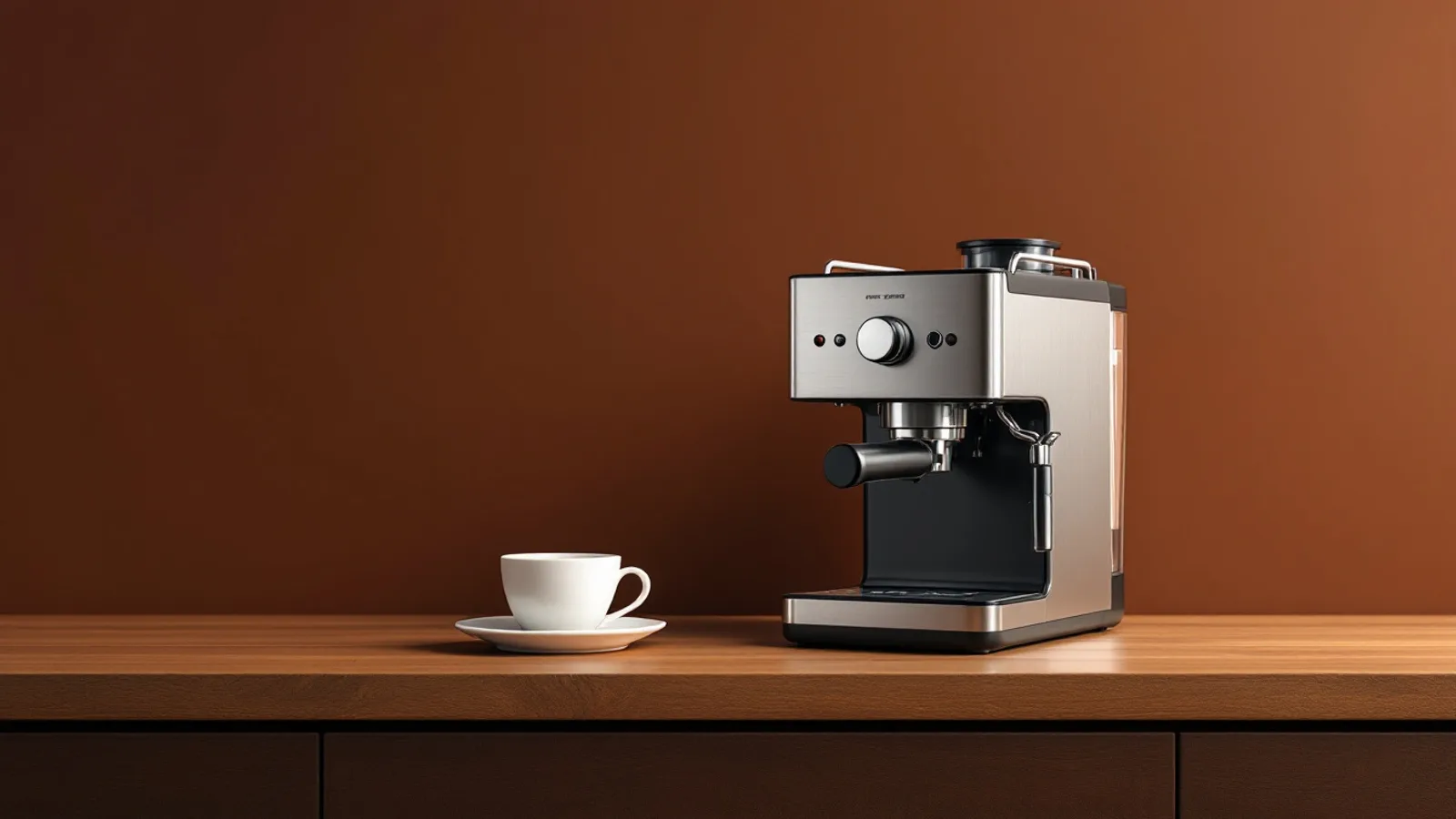
The Best Espresso Machines Under $200 (And What You Give Up)
What $80, $100 and $200 actually buy you in pumps, boilers and grinders — and where the false economies are.
 Comparison
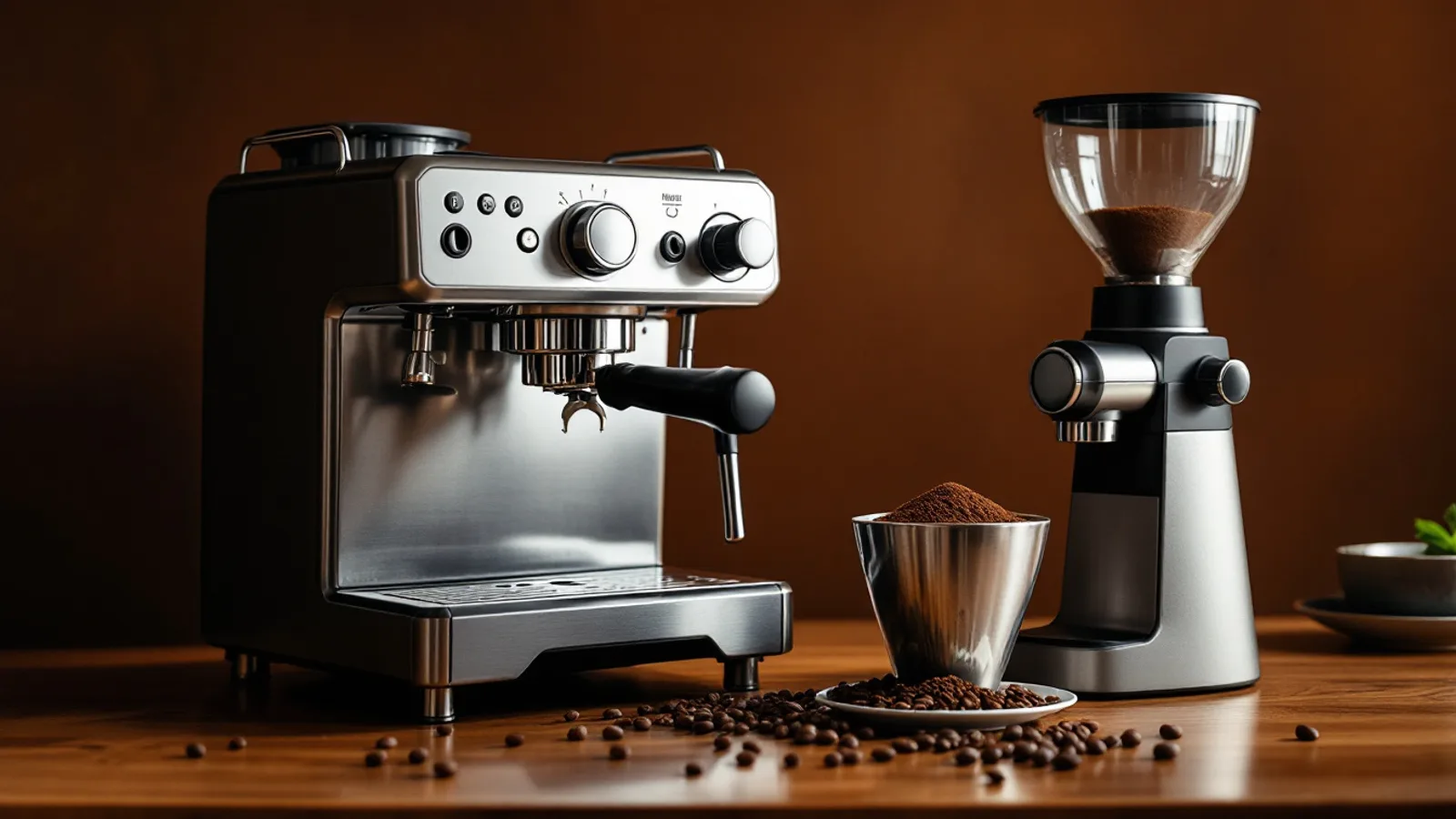
Built-In Grinder or Separate Grinder? The Honest Answer
Bean-to-cup machines bundle the grinder; buying one separately grinds better and outlives the machine. How to decide, by budget.
 Maintenance
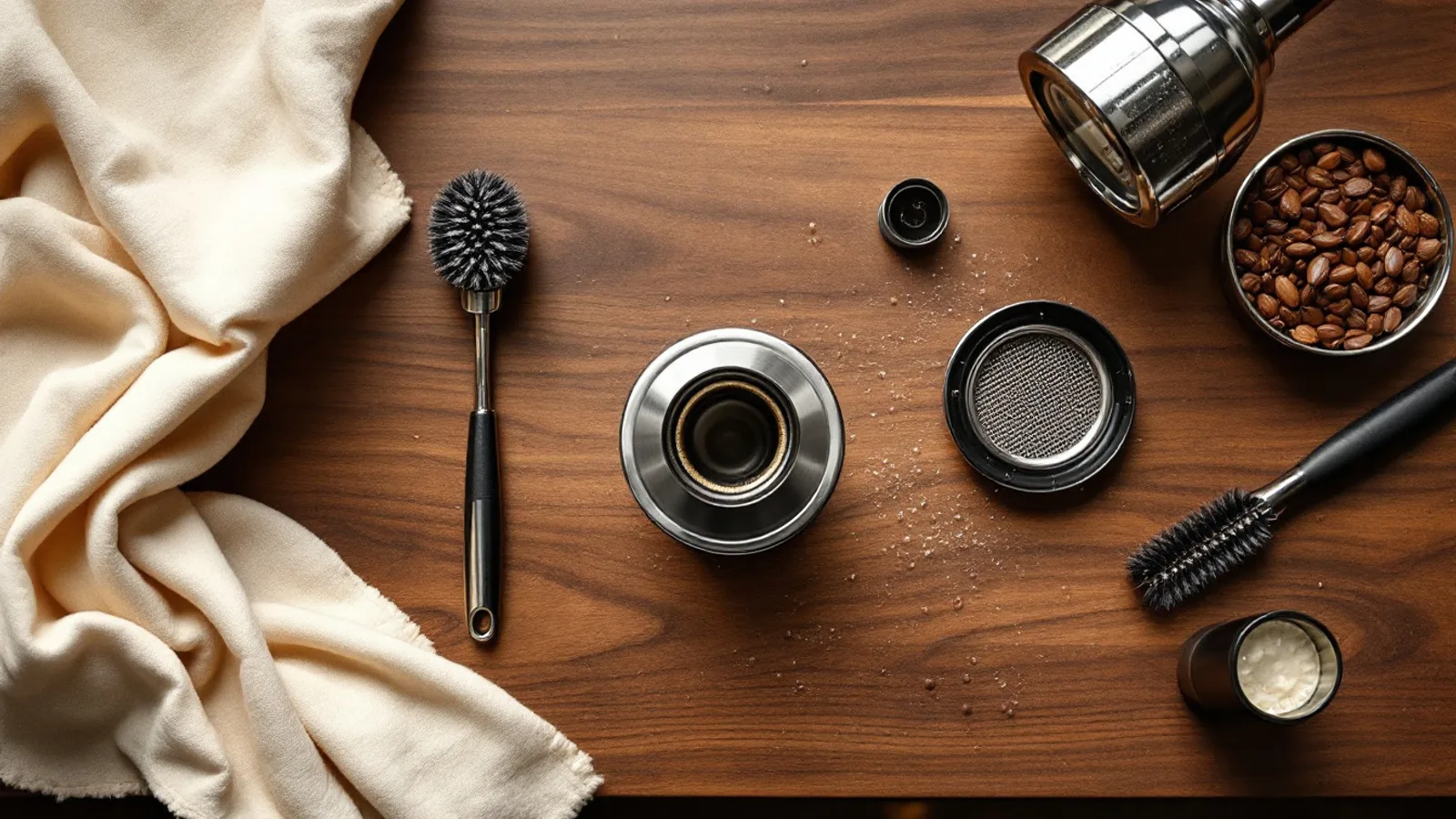
How to Clean and Descale an Espresso Machine (So It Lasts)
The daily two-minute routine, the weekly backflush and the descaling schedule that decides whether your machine sees year five.
 How-to
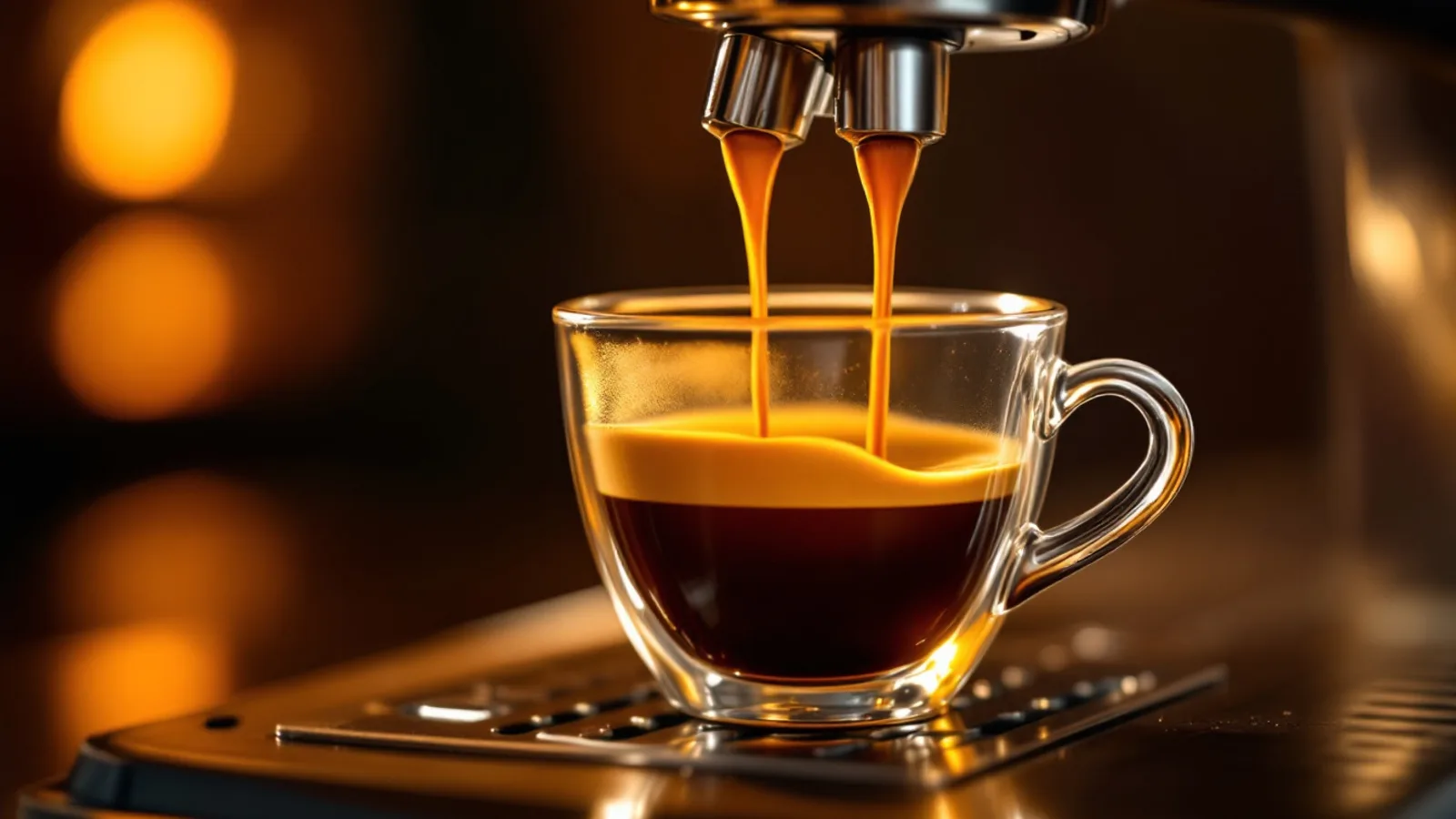
How to Pull a Good Espresso Shot at Home, Step by Step
Dose, grind, tamp, time — the 1:2 ratio starting point and how to fix a shot that runs too fast or too slow.
 Buying advice
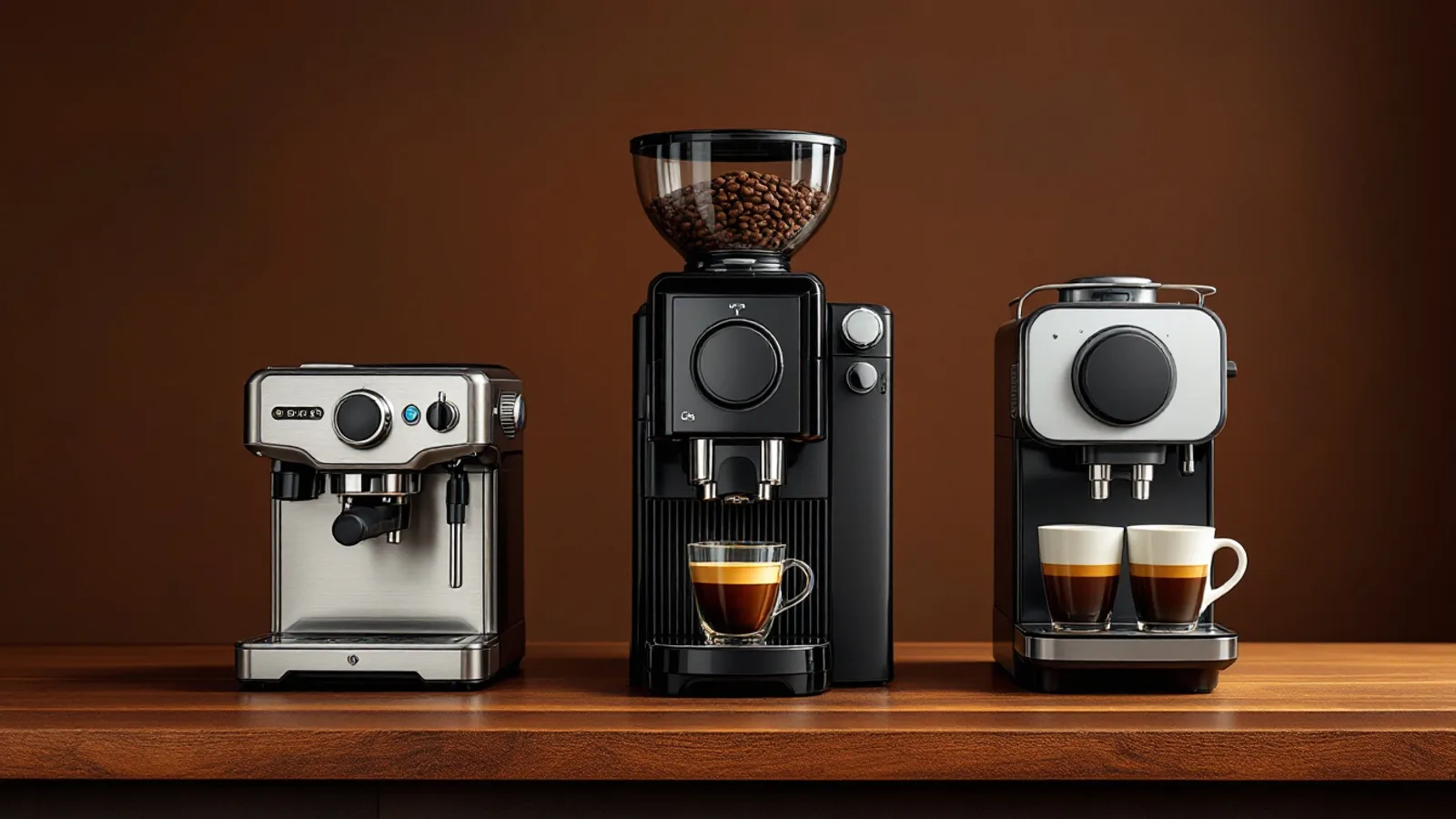
Semi-Automatic vs Super-Automatic: Which Espresso Machine Suits You?
Four machine classes decoded — steam-driven, semi-automatic, super-automatic and capsule — and who each one is genuinely for.
From our networkPortable dishwashers for small kitchens
The other appliance a small kitchen argues about — and it needs no plumbing either.