Gemilai G3028A in White vs. Grey: Is There Any Functional Difference at the Same Price
Two Amazon listings, one machine. The Gemilai G3028A shows up as a White listing and a Grey listing, both at $599.99, both specced identically on paper. We read them side by side to find out whether "identical except for color" is actually true here, or whether one listing is quietly hiding something the other isn't.
Reader-supported: we may earn a commission if you buy through our links, at no extra cost to you. Prices are the ones we recorded on October 26, 2026 and they move constantly on Amazon — confirm the live price before buying.
The short answer
Buy on color, not on spec, because the spec sheets do not disagree. The Gemilai G3028A in Grey (ASIN B0FWK35ZK4) and the Gemilai G3028A in White (ASIN B0FWJRLBHH) both list a 15-bar pump, dual PID temperature control, a 550ml boiler, automatic milk frothing, a 57oz water tank and stainless steel construction, at the same $599.99 price we recorded on October 26, 2026. Nothing in the published specifications separates them. The decision that's left is which finish sits better on your counter.
That is a genuinely unusual thing to be able to say with confidence in this category. Most "which one should I buy" questions in home espresso hide at least one real trade-off — a smaller boiler, a narrower adjustment range, a missing accessory. Here the two listings read as the same machine wearing two different shells, which is itself worth explaining rather than assuming.
Reading two nearly identical listings side by side
When a shopper lands on one Gemilai G3028A listing and then stumbles onto the other, the instinct is suspicion — twin listings at the same price are exactly the pattern that shows up around counterfeit duplicates, bait-and-switch variants, or a seller quietly swapping in a cheaper internal part under a near-identical title. That instinct is reasonable and worth keeping, but it has to be checked against what the listings actually say, not against the pattern in general.
Both titles run almost word for word: "Gemilai G3028A Espresso Machine, 15 Bar Professional Coffee Maker with Adjustable Pressure & Automatic Milk Frother, Dual PID & 550ml Boiler, 57oz Tank, Stainless Steel for Cappuccino, Latte," with only the trailing color word changing — Grey on one, White on the other. That is the first signal worth noticing: a single manufacturer selling the same model in two colorways through two separate Amazon listings is standard practice for small-appliance brands, not a red flag by itself. Dishwashers, stand mixers and kettles do this constantly. What matters is whether everything after the color word actually matches.
Here it does. The pressure rating, the PID system, the boiler capacity, the tank size and the material callout are identical strings across both listings. Nothing is reworded to quietly soften a claim — there's no "up to 15 bar" on one and a flat "15 bar" on the other, no PID claim on one listing that disappears on the other. When two listings diverge even slightly in how a spec is phrased, that's usually where the real difference lives. These two don't diverge.
What's genuinely identical: boiler, PID system, automatic frothing
Three specifications carry the most weight in what a shot and a milk drink actually taste like, and all three are stated identically on both listings.
The boiler. Both listings specify a 550ml boiler with dual PID control. PID stands for proportional-integral-derivative — a control loop that holds brew temperature to a tight band instead of letting it swing the way a simple thermostat does, which is the difference between a shot that tastes the same at 7am every day and one that drifts with how recently the machine last fired its heating element. "Dual PID" on a machine like this typically means separate temperature control for brewing and steaming, so pulling a shot and frothing milk don't fight each other for the same heat source. Both ASINs list the same dual-PID, 550ml spec with no variation in wording.
The pump. Both list a 15-bar pump with adjustable pressure. As with any espresso machine advertising double-digit bar figures, that number is the pump's maximum rating, not the pressure delivered to the coffee puck — espresso brews at roughly 9 bar at the puck regardless of what the pump can theoretically push. What matters for this comparison isn't whether 15 bar is a meaningful number in isolation; it's that both listings quote the same one, with the same "adjustable pressure" language, so there's no version here that's quietly capped lower.
The frother. Both describe automatic milk frothing, and both pair it with the same 57oz tank and stainless steel build. An automatic frother takes the guesswork out of milk texture at the cost of the manual control a bare steam wand gives a more practiced user — a trade covered in more depth in our comparison of Ninja's automatic-frother machines — but the relevant point here is narrower: neither Gemilai listing downgrades or upgrades that frother relative to the other.
Put together, that's the entire functional core of the machine — how it heats water, how it pressurizes the shot, and how it handles milk — stated the same way, at the same price, on both listings.
Where listings like this usually hide a real difference, and whether this one does
Twin-colorway listings earn their bad reputation from a specific set of places sellers hide a downgrade, and it's worth checking each one against what's published here rather than taking "the specs match" on faith.
A quieter spec on one listing. This is the most common pattern: one color's bullet points are shorter, or one drops a claim the other keeps — missing the pressure figure, missing the PID mention, missing the tank size. On the two G3028A listings, the core bullets run the same length and cover the same ground on both. That's the strongest evidence this is a straightforward dual-colorway listing rather than a stripped-down variant wearing the same name.
A different accessory bundle. Sellers sometimes vary what ships in the box — a tamper included for one color, not the other; a milk jug for one, a smaller one for the other. We don't have an itemized box contents list to compare line by line for these two ASINs, which is exactly why this is one of the things worth confirming yourself before you click buy, not something we'll guess at here.
A size or variant swap mislabeled as a color swap. This is the one that actually burns buyers: two listings that look like a color choice but are secretly different tank sizes or different machine generations. Both of these listings carry the same size/variant designation in the product data we have, so there's no indication one is a smaller or older unit dressed up as a simple color pick.
Price drift used to signal a hidden downgrade. If one color consistently runs noticeably cheaper than the other over time, that's usually a tell that the listings aren't as equivalent as the bullet points suggest — sellers price the "better" version higher even when they won't say why in the copy. At the prices we recorded on October 26, 2026, both ASINs sat at exactly $599.99. A single snapshot can't rule out future drift, but a tied price at the moment of recording is at least consistent with "same machine, different shell" rather than "same listing copy, different product."
None of the usual hiding places turn anything up here. That's not a guarantee nothing has changed between the two listings since October 26, 2026 — Amazon listings get edited constantly, and a seller can quietly update a bullet point on one color and not the other next month. It's a reason to re-check the live listing yourself before ordering, which is covered below.
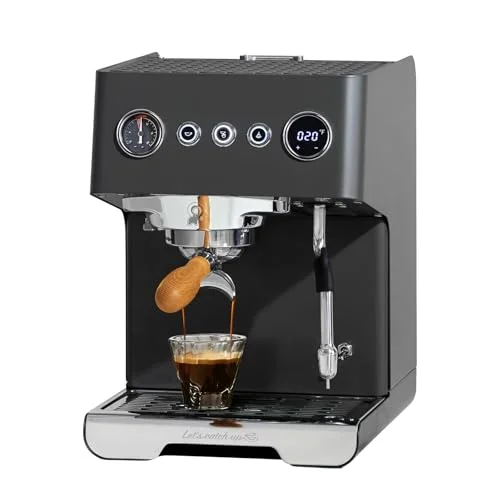
Gemilai G3028A — Grey
15-bar pump with adjustable pressure, dual PID control, 550ml boiler, 57oz tank, automatic milk frother, stainless steel.
$599.99 Check price →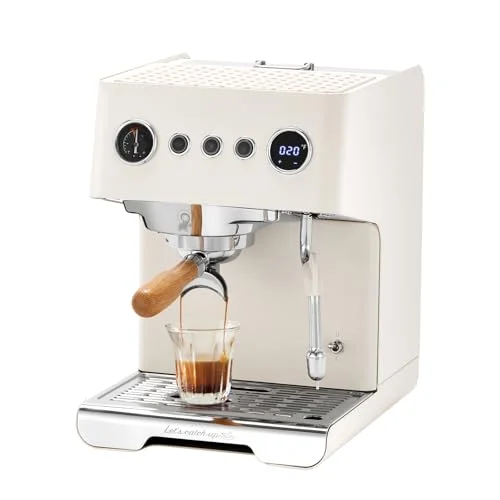
Gemilai G3028A — White
Same 15-bar pump, dual PID, 550ml boiler, 57oz tank and automatic frother as the Grey listing, at the same price.
$599.99 Check price →The pick, and why color should be the deciding factor here
When specs and price are genuinely tied, the honest recommendation is to stop pretending there's a functional winner and say so. There isn't one between these two ASINs on the data we have. Pick White if your counter, backsplash or existing appliances run light — white and stainless read as a clean, brighter combination and show fingerprints and coffee drips differently than a darker finish. Pick Grey if you want the machine to disappear visually against darker cabinetry or a mixed stainless-and-matte kitchen, or if you'd simply rather avoid the way white small appliances tend to show scuffs and discoloration over a few years of daily use near a hot boiler.
That second point is a real, if minor, practical difference even though it isn't a spec: light-colored plastic and painted-metal housings on kitchen appliances generally show yellowing, staining and scuff marks more visibly over time than darker ones, simply because the contrast against dirt and grease is higher. Neither listing publishes anything about the housing material's long-term colorfastness, so treat this as general appliance-ownership knowledge rather than a Gemilai-specific claim — but it's a legitimate tiebreaker if you have no other preference.
Beyond color and that one durability-of-appearance consideration, there is nothing in the published data that should move you toward one ASIN over the other. If you find a price gap between the two listings when you go to buy — even a few dollars — that's the moment to re-apply the checks above rather than assume the cheaper one is simply a discount.
What to check before buying either listing
A tied spec sheet at the time we recorded it in October 2026 is not a substitute for checking the live listing the day you buy. Amazon listings are mutable, and a seller can edit bullet points, swap images, or change a bundled accessory without changing the ASIN or the title. Before you click buy on either the Grey listing or the White listing, run through this:
Re-read the full bullet list on both, not just the title. Titles are what get matched to search terms and are the least likely part of a listing to be edited casually; the bullet points below the fold are where a seller is more likely to quietly add or drop a claim. Confirm the 15-bar, dual-PID, 550ml, 57oz and automatic-frother claims are still present on whichever listing you're about to buy.
Confirm the price is actually tied, not just close. Check both ASINs on the day you buy. If one has moved and the other hasn't, that's worth pausing on — not necessarily a dealbreaker, but a reason to re-read the bullets on the cheaper one specifically.
Check who's fulfilling and selling the listing. "Ships from and sold by Amazon.com" or a listing fulfilled by Amazon generally carries more consistent return and authenticity protection than a third-party seller account you haven't heard of, particularly in a product category — small kitchen appliances from newer brands — where duplicate and knockoff listings are common.
Look at what's actually in the product photos, not just the first one. If the later photos on one listing show a visibly different control panel, a different portafilter, or different accessory count than the other, treat that as a real discrepancy worth resolving with the seller before you order — photos are harder to standardize across listings than bullet-point text and sometimes reveal a difference the copy doesn't mention.
Read the box-contents line specifically. If one listing's "what's in the box" section is shorter, that is the single most reliable early warning sign of a real difference between two otherwise-matching listings, more reliable than a slightly different star count or review total.
When two colorways signal a safe choice versus a listing-spam red flag
Not every duplicate listing is equal, and it's worth drawing the line clearly rather than treating "two listings, one model name" as inherently suspicious or inherently fine.
Usually safe: the same brand, selling the same model number, in genuinely different colors, through separate listings with matching specifications and matching or near-matching prices — which is the pattern here. Manufacturers do this because Amazon's catalog structure makes true color-variant listings (one ASIN, a color dropdown) harder to set up correctly than simply publishing two near-identical listings, and plenty of legitimate small appliance brands take the easier route.
A genuine spam or bait-and-switch red flag looks different: a generic or shifting brand name across listings claiming to be the "same" product; a title that changes model numbers between listings while keeping near-identical photos; a price that's dramatically lower on one listing with no explanation; bullet points that read as though they were auto-translated or template-filled rather than written about this specific machine; or a seller account with no history and a listing that's only weeks old selling an appliance at a price well below what the category typically commands. None of those patterns show up on either G3028A listing — same brand name, same model number, same spec language, same price, both describing the same physical machine.
The practical rule: a duplicate listing is a safe choice when the only meaningful difference you can find after actually reading both pages is the thing it claims to be different — here, color. It becomes a red flag the moment you find a spec, a price, or a box-contents line that quietly doesn't match, because that's usually not an accident.
How we compared these
We compared the two Gemilai G3028A listings on their published specifications, titles, bullet points and the $599.99 price we recorded for both on October 26, 2026 — we did not physically acquire either machine, and we do not run a testing lab. We have no rating or review-count data for either ASIN and we have not invented any; nothing in this article should be read as feedback from people who own the machine, because we have no such data to draw on. Every claim about the machine's pump, boiler, PID system, tank and frother is taken directly from the listing specifications provided; every claim about appliance housings, PID control loops, brew pressure at the puck and general listing-spam patterns is general product-category knowledge, not a Gemilai-specific test result. Where we said something is a judgment call — picking on color, treating a shorter box-contents line as a warning sign — we said so in our own voice rather than dressing it up as a measured fact.
Frequently asked questions
Is the Gemilai G3028A White actually a different machine from the Grey one?
Based on the published listing data, no. Both ASINs — B0FWK35ZK4 (Grey) and B0FWJRLBHH (White) — list the same 15-bar pump, dual PID temperature control, 550ml boiler, 57oz tank, automatic milk frother and stainless steel build, at the same $599.99 price we recorded on October 26, 2026. We found no spec, price or box-contents discrepancy between the two listings at the time of recording.
Why would a brand list the same espresso machine twice instead of using a color option on one listing?
Amazon's catalog tools make a true color-variant listing — one product page with a color dropdown — harder to set up correctly than publishing two separate, near-identical listings. Many smaller appliance brands take the simpler route of one listing per color, which is standard practice and not inherently a sign of a problem, provided the specifications actually match across the listings.
What's the most reliable sign that two "identical" listings actually aren't the same?
A shorter or missing box-contents line on one listing is typically the most reliable early warning, more so than a price gap or a slightly different review count. Sellers who ship fewer accessories under a near-identical title tend to under-describe the box contents rather than draw attention to the omission in the bullet points.
Does the 15-bar pressure rating on the Gemilai G3028A mean a stronger shot than a 9-bar machine?
No. Fifteen bar is the pump's maximum rating, not the pressure delivered to the coffee puck — espresso is brewed at roughly 9 bar at the puck regardless of how high the pump can theoretically go. The number is useful for confirming the pump can sustain brewing pressure, not for comparing cup quality against a machine advertised at a lower bar figure.